Dengue Risk Rises After the Monsoon: What Families Should Know
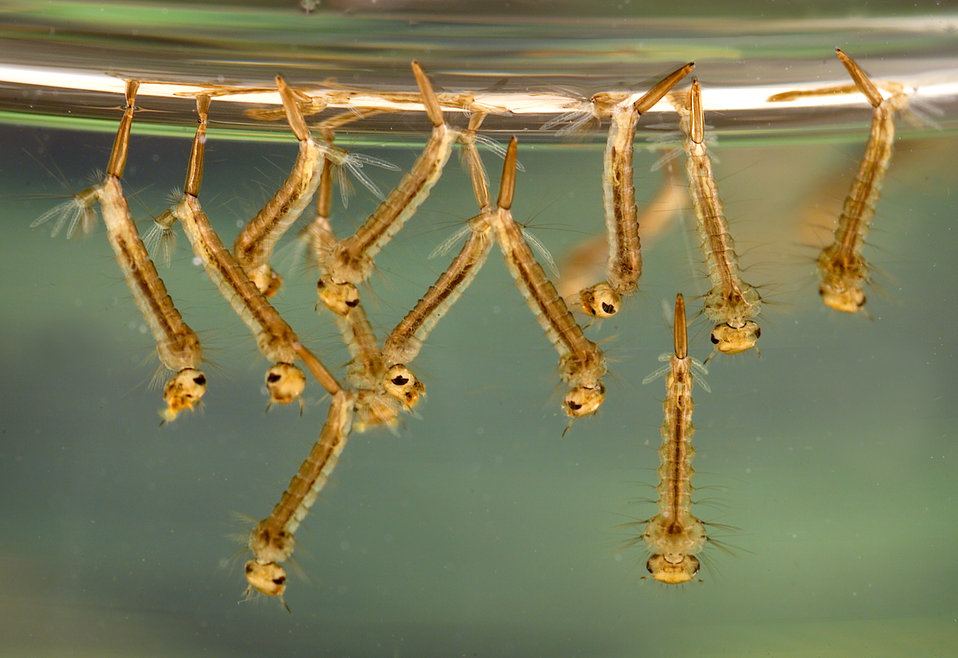
The weeks right after the monsoon are the most dangerous of the year for dengue. Rainwater collects in flower pots, discarded tyres, rooftop tanks and construction sites, giving the Aedes mosquito — which bites during the day and breeds in clean, still water — thousands of places to multiply. City hospitals typically report their highest dengue caseloads in this post-rain window, and health departments across India have begun their annual awareness drives.
Spotting the warning signs
Dengue usually begins suddenly with high fever, severe headache, pain behind the eyes and joint aches that gave it the nickname “breakbone fever”. Most cases are mild and settle within a week with rest and fluids, but doctors stress a set of danger signs that need immediate hospital care: severe stomach pain, persistent vomiting, bleeding from the gums, rapid breathing and extreme tiredness as the fever falls. The World Health Organization notes that early recognition of these signs dramatically reduces the risk of complications. Paracetamol is generally advised for fever; common painkillers such as ibuprofen can raise bleeding risk and should be avoided unless a doctor says otherwise.
Prevention starts at home
There is no specific cure for dengue, which makes prevention the real medicine. Health officials repeat a simple weekly routine: empty and scrub anything that holds water, cover storage tanks, clear blocked drains and dispose of containers that collect rain. Unlike the malaria mosquito, Aedes bites in daylight, so repellents, window screens and long sleeves during morning and late afternoon matter as much as bed nets. Housing societies that run a weekly “dry day” — a fixed day to drain every container — have reported sharp drops in mosquito breeding on their premises. More practical guidance is collected on our health page.
What cities are doing
Municipal teams are mapping breeding hotspots, fogging affected neighbourhoods and fining construction sites that leave water standing. Fogging kills adult mosquitoes but does nothing to larvae, so officials admit it is the least important part of the effort. The unglamorous work — source reduction by residents — remains decisive. With a few disciplined weeks, doctors say, most neighbourhoods can break the breeding cycle before cases peak.
Doctors also caution against the panic that surrounds platelet counts. A falling platelet number is common in dengue and, on its own, is not a reason for transfusion; what matters is the patient’s overall condition and the warning signs listed above. Hospitals report that unnecessary platelet transfusions spike every season, driven by anxious families and misinformation on social media. Transfusion decisions, specialists stress, belong to the treating doctor watching the patient — not to a single number on a lab report. Staying hydrated, monitoring symptoms carefully and seeking care early remain the most effective responses a family can manage at home.