AI Agents Join the Workforce, but Only Under Supervision
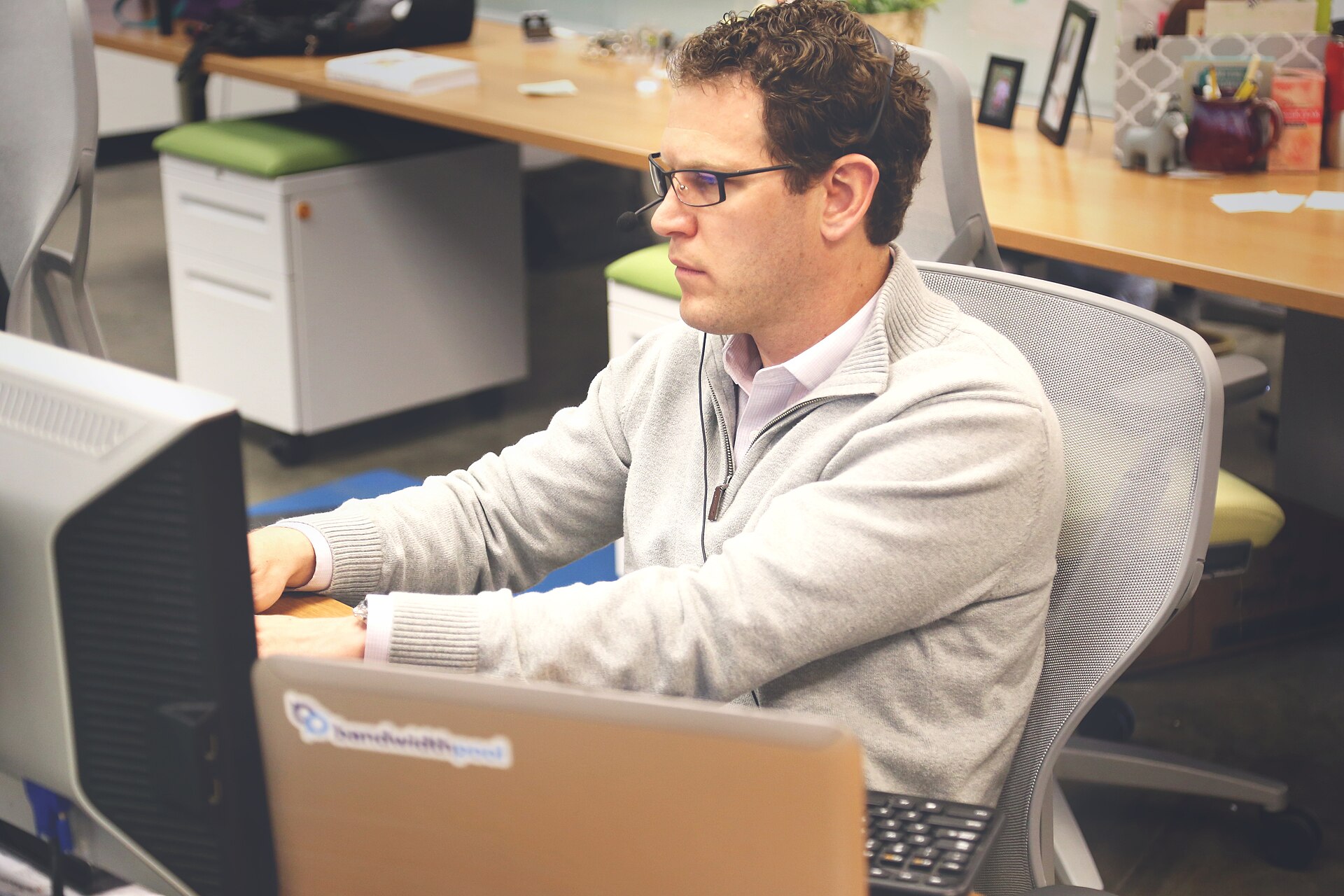
The newest recruits in many offices never take a coffee break, never sleep and never ask for a pay rise. AI agents — software that can plan a task, use other programmes and act with limited human prompting — are moving from demonstrations into ordinary workplaces. They are drafting reports, sorting inboxes, chasing invoices and answering routine customer questions. Yet the most striking feature of this wave is not autonomy. It is supervision. Employers that are furthest ahead say the agents work best when a person sets the boundaries, checks the output and remains accountable for the result.
That cautious model is shaping how the technology spreads. Rather than handing an agent an open-ended goal, managers give it a narrow job, a clear list of tools it may use and a point at which it must stop and ask. Readers following developments on aavot.com.in will recognise the pattern from earlier automation waves: the technology changes the task first, and the job description only later.
From chatbots to colleagues with checklists
A chatbot answers. An agent, by contrast, follows a sequence: it reads a request, decides what information it needs, calls a database or a spreadsheet, drafts something and then acts on it. That chain is what makes agents useful, and also what makes them risky. A single mistaken assumption early in the chain can be repeated confidently at every later step. Supervisors therefore talk less about clever prompts and more about checklists, approval gates and audit trails that record exactly what the software did and why.
Research and commentary from the World Economic Forum has repeatedly stressed that adoption depends on trust, training and redesigned workflows, not simply on buying a licence. In practice, firms are creating new routines around the agents: sample checks of completed work, limits on spending or sending, and a named member of staff who owns each automated process in the same way someone owns a budget.
Which jobs are changing first
The earliest changes are in work that is digital, repetitive and easy to verify. Customer support teams use agents to summarise calls and suggest replies. Finance departments use them to match receipts with claims. Software teams use them to write first drafts of routine code and to search large documentation libraries. In each case a human can inspect the result quickly, which keeps the cost of an error low and the benefit measurable.
Coverage in our Tech section shows a similar lesson across sectors: automation lands fastest where output is already measured. Where judgement, relationships or physical presence matter most, agents are more likely to become assistants than replacements, preparing briefings, gathering evidence and handling administration so that people can spend time on decisions.
The new skill is delegation
Managers say delegating to software requires a different discipline from delegating to a person. Instructions must be explicit, exceptions must be named in advance, and the agent cannot be expected to infer office politics or unspoken priorities. Workers who thrive are those who can break a job into steps, describe what good looks like and spot when an answer is polished but wrong. Those are old professional skills, applied to a new kind of colleague.
There are also hard questions about responsibility. If an agent sends an incorrect refund, shares the wrong file or repeats biased information, the organisation cannot blame the software in any meaningful sense. Regulators and insurers are therefore asking who approved the system, what data it could reach and what records were kept. BBC Technology reporting on workplace AI has highlighted the same tension: productivity gains are real, but so is the need for clear lines of accountability.
A supervised future, for now
None of this means agents will stay on a short lead forever. As evaluation tools improve and companies build records of safe performance, the range of tasks trusted to software will widen, just as it did for online banking and cloud storage. For the moment, however, the winning formula is modest and practical: start small, keep a human in charge, measure errors honestly and expand only where the evidence supports it. The workforce is indeed gaining a new kind of member, but it is joining under supervision — and that supervision may be the most important job the technology creates.


