Circadian Science Is Redefining What a Good Night Means
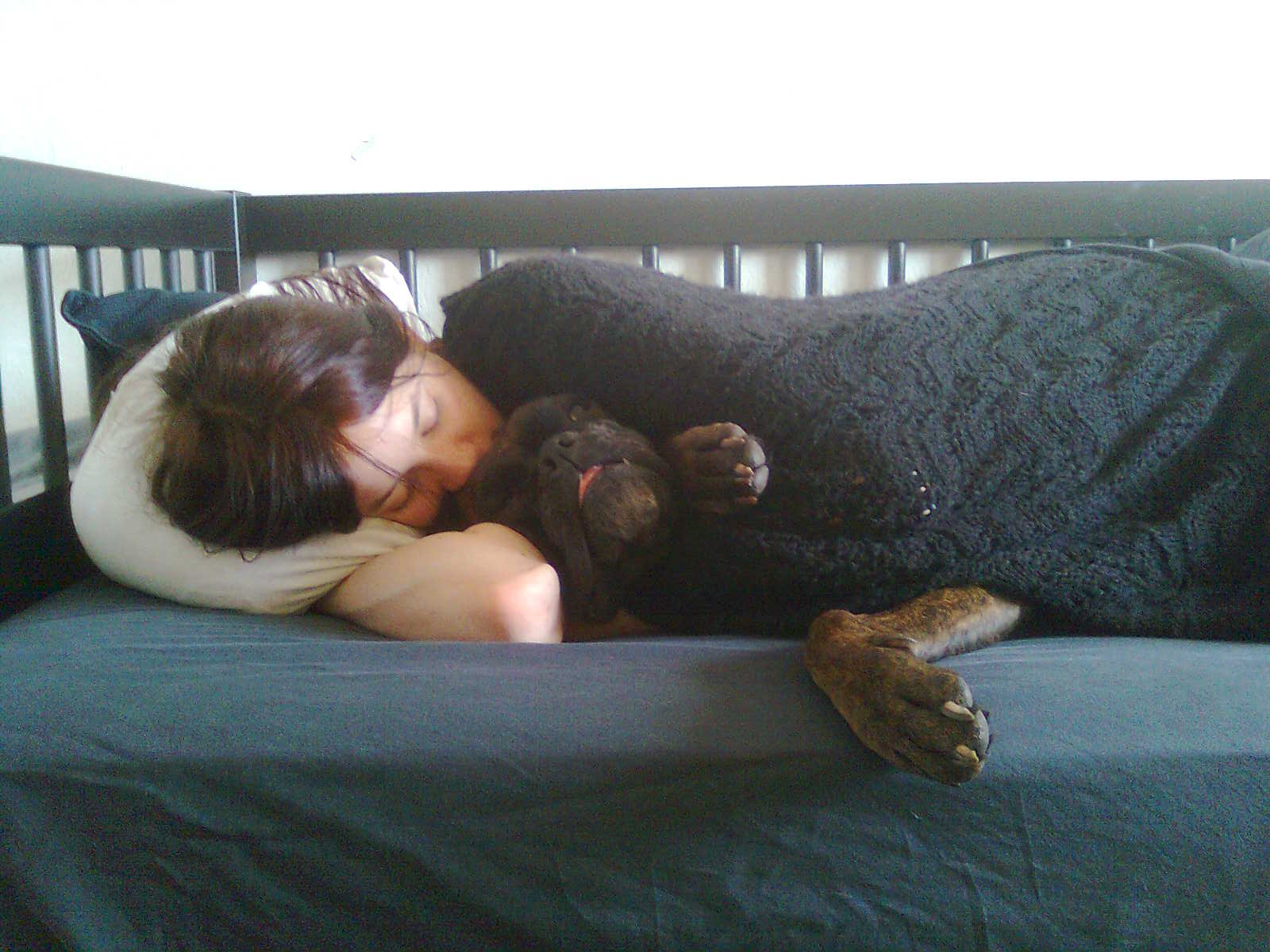
For decades, good sleep was measured mainly in hours: get eight, or as close to eight as life allowed. Circadian science is complicating that simple rule. Researchers who study the body’s internal clocks now argue that when you sleep, how regular your schedule is and how much light you see at the right times can matter almost as much as total duration. A person who sleeps seven well-timed hours may wake clearer than someone who spends nine hours in bed at shifting, irregular times.
The body does not run on a single clock. Temperature, hormones, digestion and alertness all follow daily rhythms coordinated by a master clock in the brain that takes its main cue from light. When work, screens, travel or caring responsibilities push against those rhythms, the result is not just tiredness. Studies link chronic circadian disruption with poorer concentration, mood problems and long-term risks to metabolic and heart health, which is why sleep scientists increasingly treat timing as a public health issue rather than a lifestyle preference. Updates on aavot.com.in regularly return to this theme: small, consistent habits tend to beat occasional heroic efforts.
Light is the strongest signal
Morning daylight tells the clock to advance; bright light late at night tells it to delay. That is why researchers recommend getting outside soon after waking, even on a cloudy day, and dimming indoor light in the last hour before bed. The guidance summarised by the NHS on healthy sleep habits makes a similar practical point: routine and environment shape sleep quality long before any supplement or gadget enters the picture.
Screens are part of the story, but not the whole story. The content matters as well as the brightness — work messages and alarming news keep the mind in daytime mode. Sleep clinics often suggest a wind-down period in which phones move to another room, tomorrow’s list is written down and the bedroom is kept cool, dark and associated only with rest.
Regularity beats catching up
Many people treat weekends as a chance to repay a sleep debt. Circadian researchers are sceptical. Sleeping very late on Saturday and Sunday can shift the clock so far that Monday morning feels like jet lag without the travel, a pattern sometimes called social jet lag. A more effective approach, they say, is to keep wake times within a narrow window across the week and to use short early-afternoon naps, rather than long late ones, when a boost is needed.
Our Lifestyle coverage of health research often finds the same advice repeated by different specialists: consistency is unglamorous but powerful. Regular meal times, exercise earlier in the day and a fixed morning routine all reinforce the clock’s signals, making it easier to fall asleep at night without forcing it.
When poor sleep needs attention
Not every bad night is a habits problem. Loud snoring with pauses in breathing can indicate sleep apnoea, a condition linked with serious health risks that requires medical assessment. Persistent insomnia, restless legs and sleep problems alongside depression or anxiety also deserve professional help rather than self-blame. Research institutes such as the National Institutes of Health fund work on these disorders precisely because untreated sleep problems quietly undermine treatment for many other conditions.
Employers are beginning to take notice too. Shift patterns that rotate backwards, unpredictable rosters and cultures that reward late-night messages all work against circadian health. Some organisations now protect rest days after night shifts and discourage out-of-hours contact, recognising that a rested workforce makes fewer errors.
A better definition of rest
The new science does not offer a magic number. It offers a more personal test: do you wake at a similar time each day, feel alert through most of it and fall asleep without a long struggle? If so, your rhythm is probably serving you well, whatever the tracker says. A good night, in other words, is not simply a long one. It is a night that arrives on time, in step with the clock your body has been keeping all along.
Chronotype also deserves a mention. Some people are natural early risers and others come alive in the evening, and genetics plays a part in that difference. Working against your chronotype entirely is rarely possible, but small adjustments — requesting earlier or later shifts where work allows, and timing demanding tasks for your most alert hours — can reduce the daily friction considerably over time.