Lifestyle Check: Why Your Daily Routine Still Includes a Plastic Bottle
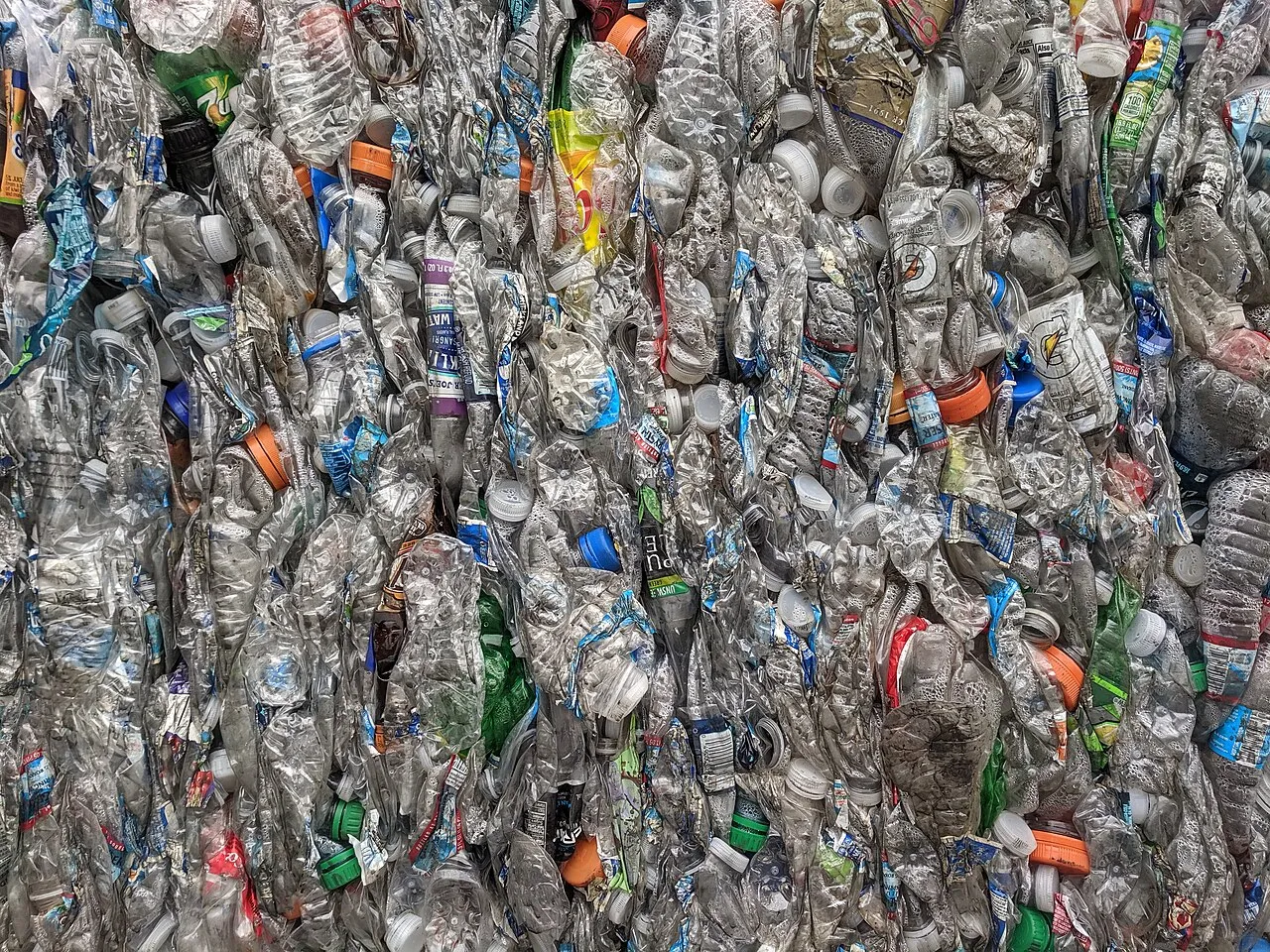
It is in the gym bag, on the desk, in the car door and beside the bed. The plastic water bottle has become a piece of lifestyle furniture, restocked on autopilot. A new survey of 15,000 people across 81 countries, published in the Journal of Cleaner Production, examines that autopilot closely and finds bottled-water consumption persisting despite near-universal awareness of microplastic harms.
For lifestyle readers, the interesting part is what the study absolves. This is not a story about people failing to care. It is a story about routines engineered by convenience, by marketing that sells bottled water as a wellness accessory, and by genuine uncertainty about tap water. Habits this well designed are not broken by guilt. They are replaced by better-designed ones.
The Bottle as an Accessory
Bottled water brands understood something early: sell purity as an identity. The sleek bottle at yoga, the imported label at lunch, the crate delivered to the door, each signals a person who takes hydration seriously. The survey shows this branding works across cultures, attaching bottled water to health and status even where the tap delivers the same water to the same building.
Meanwhile the functional case quietly dissolves on inspection. The World Health Organization notes that regulated tap supplies are among the most tested consumer products on earth. Microplastic particles have been detected in bottled water itself, which makes the premium bottle a strange place to hide from them. What remains is pure routine, and routine is a lifestyle problem with lifestyle solutions.
Designing the Refill Routine
The behavioural evidence points one way: make the refill the beautiful, effortless default. A bottle you genuinely like carrying. A carafe of cold filtered water on the counter that makes the fridge’s plastic shelf look sad. Refill points used without thinking at the gym, the office and the studio. We applied the same design logic in US Measles Count Hits 4,410 After Weekly Rise of 8 Percent, where changing the environment outperformed every motivational trick.
The UN Environment Programme figure of a million bottles bought every minute is the aggregate of a billion small routines. That is oddly hopeful arithmetic: routines are personal, repeatable and contagious. The colleague who refills at the new office station normalises it faster than any campaign poster in the lift.
A Week-Long Reset Worth Trying
Try the study’s logic on your own week. Check your city’s published water quality once, properly, and let facts replace vibes. Filter for taste if taste is the issue. Put the reusable bottle where the plastic one used to be grabbed, filled the night before. Keep bottled water only for the car emergency kit and genuine travel uncertainty.
There is a style dimension to the fix that should not be underestimated, because the plastic bottle won partly on looks. The reusable market has finally understood this: insulated steel in colours people actually want, glass bottles with protective sleeves, carafes designed to sit on a dining table rather than hide in a cupboard. When the refill object is the most beautiful water vessel in the room, the routine it anchors stops feeling like a sacrifice and starts feeling like taste. The survey cannot measure aesthetics, but its logic predicts them: behaviour follows the option that costs least effort and most rewards identity. Design the refill to win on both, and the lifestyle pages will do the rest themselves.
By the weekend, notice what the survey predicted: willpower was barely involved. The routine changed because the environment did. Multiply that across the offices, schools and gyms of 81 countries, and the stubborn global habit in the data starts to look less like fate and more like a design brief waiting for designers.