Speed Watch Volunteers Tackle Speeding on Quiet Streets
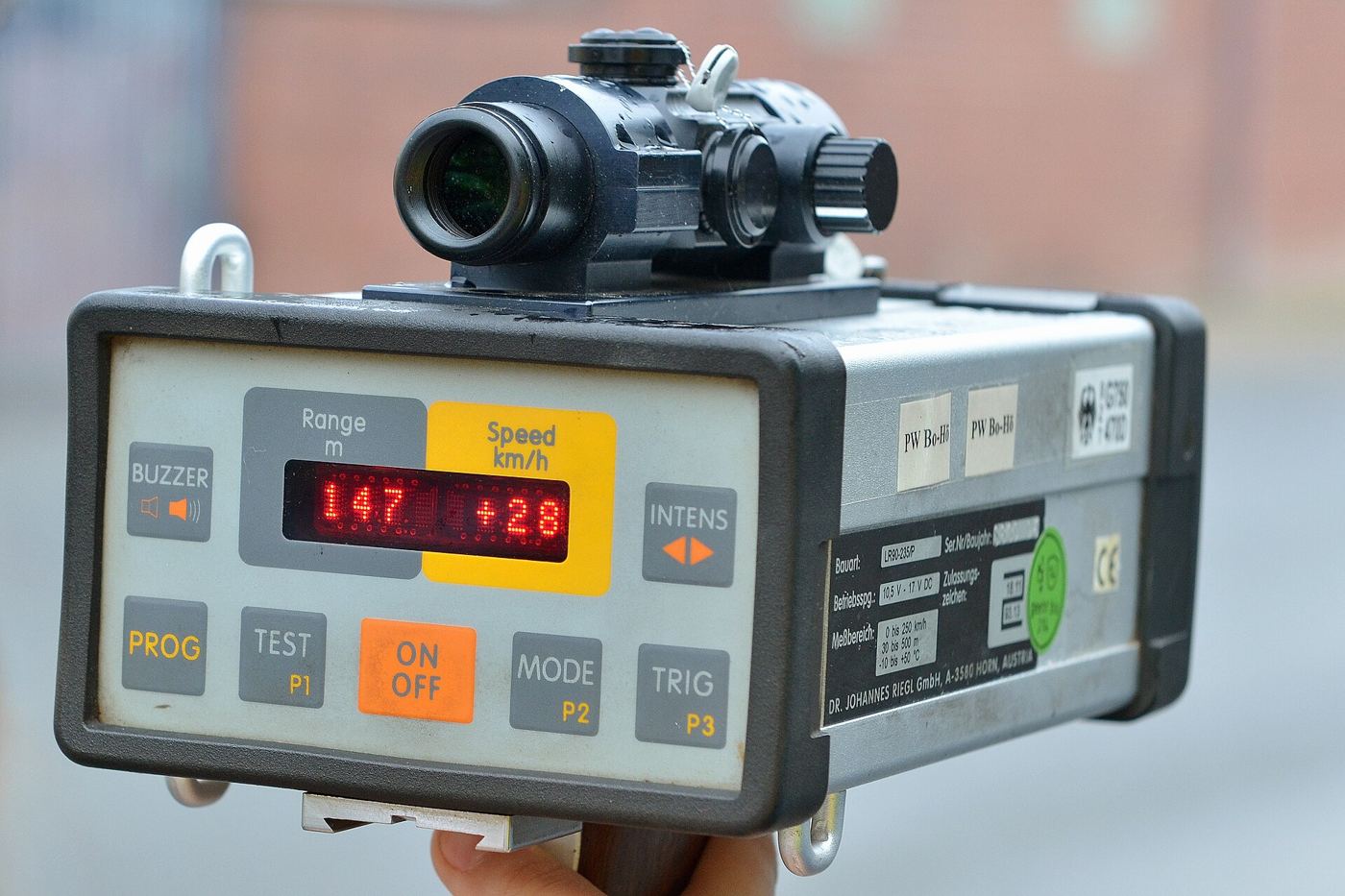
On quiet residential streets where drivers too often treat the limit as a suggestion, small groups of volunteers in high-visibility jackets are standing with speed guns, recording the cars that pass too fast. Community speed watch groups, set up with the support of local police, spend an hour or two each week at spots where residents have complained about speeding, noting number plates and speeds. The details are passed to the police, who send warning letters to the worst offenders and visit repeat offenders at home. Organisers say the aim is not to catch people but to change behaviour, and that most drivers slow down once they know a street is being watched. Residents say the scheme has made a difference, with fewer cars racing past their homes and children safer playing outside. Police say the volunteers are their eyes and ears, since officers cannot be everywhere, and that the letters alone persuade many drivers to slow down.
What the Evidence Shows
Road safety experts say the groups work because they make speeding visible, turning an invisible habit into something drivers must notice. They explain that even a small drop in speed makes a large difference to safety, since a pedestrian hit at thirty miles an hour is far more likely to survive than one hit at forty. Some groups have gone further, asking the council for better signs, lower limits near schools, or speed bumps on the worst streets. The volunteers say the work is sometimes unpopular, with a few drivers shouting or gesturing as they pass, but that most residents are grateful. Councils say the schemes cost little and give communities a real say in how their streets are used. For the volunteers, the reward is a quieter street and the knowledge that their hour with a speed gun has made the road outside their own front door a safer place. Reporting and analysis from sources such as Associated Press track the same developments, and specialists following the community speed watch groups say the direction is now consistent across independent lines of evidence.
The Wider Context
Regional and local reporting on the community speed watch groups often tells a different story from national coverage, because the effects land unevenly: one town’s pilot is another’s distant proposal. Analysts who follow the subject full-time read the local data first, arguing that national averages conceal the variation that decides whether a policy or a project deserves to spread.
What Happens Next
The longer story of the community speed watch groups is still being written by the people closest to it, whose experience rarely matches the earliest predictions of either supporters or critics. Reporting will continue to follow the evidence as it accumulates, including where it complicates today’s account. That is the deal serious coverage makes with its readers, and it holds for this subject as for any other. You can follow related developments in our coverage of news.
It is also worth remembering how quickly the picture in this area has changed before. Positions that looked settled a few years ago have been revised as new data arrived, and the same humility is appropriate now. The strongest coverage of this subject, and the most useful advice, tends to come from sources that update their views openly when the facts move, rather than defending an earlier position long after it has stopped fitting the evidence available.