Mountain Glaciers Continue Their Slow Retreat as Lakes Grow Below the Peaks
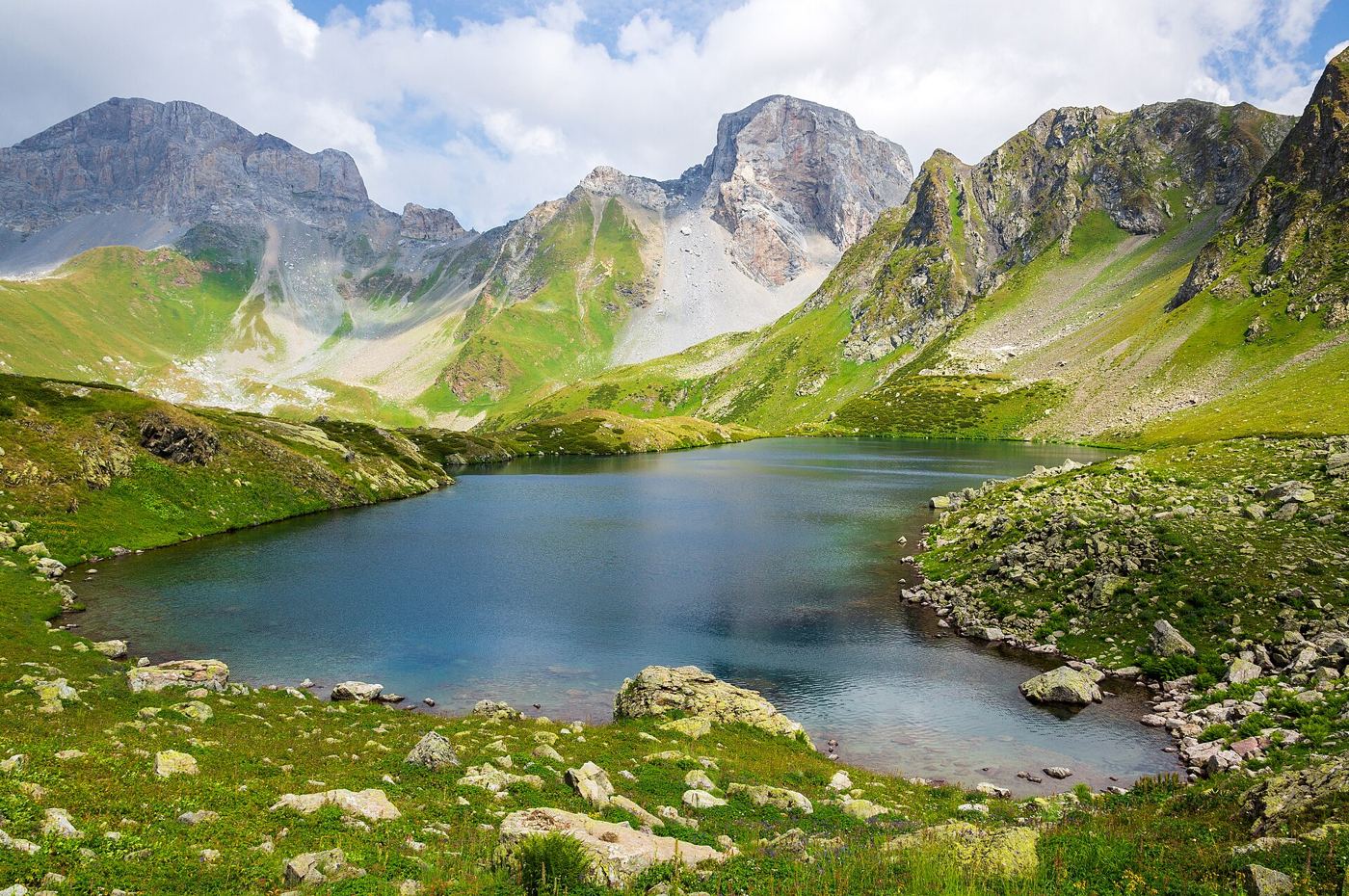
Mountain glaciers in several well studied ranges are continuing their slow retreat, leaving behind growing lakes of meltwater in the valleys below. Field teams who return to the same ice fronts each season measure the change with markers, photographs and satellite comparisons, building a record that stretches back many years. The picture is not identical everywhere, since snowfall, shade and local weather all influence a glacier, but the overall direction in many regions is toward thinner ice and shorter tongues of ice reaching into valleys. For communities downstream, the changes matter for water supplies, farming and the management of new lakes. The teams also record the thickness of the ice and the temperature of the meltwater streams, details that help explain why some glaciers respond faster than their neighbours in adjoining valleys and higher side basins. Their findings feed into wider climate records used by scientists studying mountain regions on every continent.
What the Evidence Shows
Researchers caution that a single season of heavy snow does not reverse a long term trend, just as one warm summer does not explain it on its own. Their work focuses on steady measurement, shared openly so water managers and local leaders can plan with the best available information. Growing glacial lakes also need careful monitoring, because natural dams of loose rock can weaken and release water suddenly into valleys below. At the same time, the newly exposed landscapes are slowly being colonised by hardy plants, offering scientists a living laboratory for how life returns to bare ground. Guided walks now explain the story written in the valley rocks to visiting walkers and school groups. Guides who lead visitors onto the ice said the retreat is visible within a single working lifetime, and telling that story carefully, without exaggeration, is now an important part of helping people understand a changing mountain world. Reporting and analysis from sources such as Associated Press track the same developments, and specialists following retreating mountain glaciers say the direction is now consistent across independent lines of evidence.
The Wider Context
Regional and local reporting on retreating mountain glaciers often tells a different story from national coverage, because the effects land unevenly: one town’s pilot is another’s distant proposal. Analysts who follow the subject full-time read the local data first, arguing that national averages conceal the variation that decides whether a policy or a project deserves to spread.
What Happens Next
The longer story of retreating mountain glaciers is still being written by the people closest to it, whose experience rarely matches the earliest predictions of either supporters or critics. Reporting will continue to follow the evidence as it accumulates, including where it complicates today’s account. That is the deal serious coverage makes with its readers, and it holds for this subject as for any other. You can follow related developments in our coverage of news.
It is also worth remembering how quickly the picture in this area has changed before. Positions that looked settled a few years ago have been revised as new data arrived, and the same humility is appropriate now. The strongest coverage of this subject, and the most useful advice, tends to come from sources that update their views openly when the facts move, rather than defending an earlier position long after it has stopped fitting the evidence available.