Crews Replace Ageing Water Pipes Across City Streets
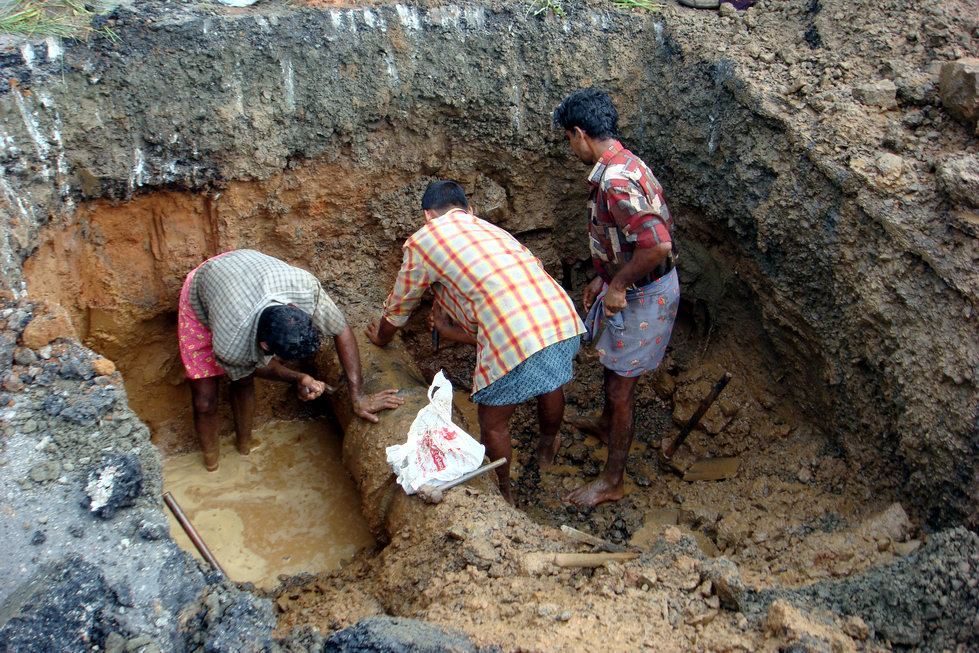
Utility crews digging up streets across the city are replacing ageing water pipes blamed for repeated bursts, discoloured supplies and costly emergency road closures in recent winters. Officials say the new pipes should reduce leakage and improve pressure for thousands of homes and businesses. Work is being sequenced street by street to keep supplies running while sections are isolated and replaced while careful observation helps separate lasting change from short lived attention.
What the Evidence Shows
Residents near the works face temporary parking limits and occasional planned shutoffs, which the utility promises to announce at least two days in advance. Engineers are also installing sensors that detect small leaks before they become major breaks beneath busy roads. If the programme stays on schedule, the most failure prone districts should see noticeably fewer disruptive bursts next year as regular reviews allow weak points to be corrected before they become serious problems. Reporting and analysis from sources such as Associated Press track the same developments, and specialists following water pipe repair programme say the direction is now consistent across independent lines of evidence.
The Wider Context
Regional and local reporting on water pipe repair programme often tells a different story from national coverage, because the effects land unevenly: one town’s pilot is another’s distant proposal. Analysts who follow the subject full-time read the local data first, arguing that national averages conceal the variation that decides whether a policy or a project deserves to spread.
What Happens Next
The longer story of water pipe repair programme is still being written by the people closest to it, whose experience rarely matches the earliest predictions of either supporters or critics. Reporting will continue to follow the evidence as it accumulates, including where it complicates today’s account. That is the deal serious coverage makes with its readers, and it holds for this subject as for any other. You can follow related developments in our coverage of news.
It is also worth remembering how quickly the picture in this area has changed before. Positions that looked settled a few years ago have been revised as new data arrived, and the same humility is appropriate now. The strongest coverage of this subject, and the most useful advice, tends to come from sources that update their views openly when the facts move, rather than defending an earlier position long after it has stopped fitting the evidence available.
None of this will be settled by a single announcement, study or product launch. The pattern to watch is accumulation: independent confirmations, honest reporting of failures and steady improvement in the underlying numbers. Readers who follow those signals, rather than the loudest claim of the week, will understand this subject better than most of the commentary surrounding it suggests is possible.


