Cable Assembly: Why Professional Cable Assembly Service Is Essential for Reliable Electronic Systems
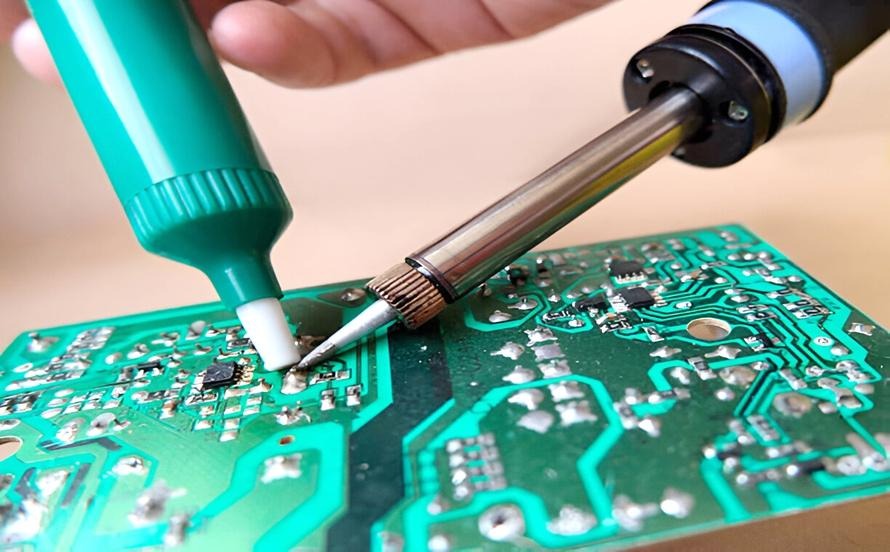
Modern electronic equipment depends on far more than printed circuit boards to function reliably. Every electronic system requires secure and efficient transmission of power, data, and control signals between various components. Whether it is an industrial automation system, medical device, telecommunications network, automotive control unit, or aerospace application, properly designed cables play a crucial role in ensuring stable performance. This is where Cable Assembly becomes an essential part of the manufacturing process.
A cable assembly is more than a collection of wires bundled together. It is a carefully engineered solution designed to provide reliable electrical connections while protecting conductors from mechanical stress, environmental exposure, and electrical interference. A well-designed cable assembly improves system reliability, simplifies installation, and extends the operational life of electronic equipment.
As products become more complex and customized, many manufacturers choose a professional Cable Assembly service to produce high-quality cable solutions that meet precise technical and industry requirements. These specialized services combine engineering expertise, precision manufacturing, and rigorous quality control to deliver cable assemblies that perform consistently in demanding environments.
This article explores what cable assembly is, how it is manufactured, its advantages, applications, and why working with an experienced cable assembly service provider is essential for modern electronics manufacturing.
What Is Cable Assembly?
Cable Assembly is the process of combining multiple wires, cables, connectors, terminals, protective sleeves, and other components into a complete electrical interconnection system. The finished assembly is designed to transmit electrical power, communication signals, or control data between different parts of an electronic or electrical system.
Unlike loose wires, cable assemblies are organized, secured, and protected using insulation materials, cable jackets, braided shielding, heat shrink tubing, or flexible conduits. These protective elements help prevent physical damage while maintaining electrical integrity throughout the product’s operating life.
Cable assemblies may range from simple power cables to highly complex wiring harnesses containing numerous connectors, branch points, shielding layers, and custom configurations. Each assembly is manufactured according to specific electrical, mechanical, and environmental requirements.
Because every application has unique operating conditions, cable assemblies are often customized to meet the exact needs of the finished product.
Why Cable Assembly Is Important
Reliable electrical connections are essential for every electronic system. Poor-quality cables or improperly assembled wiring can lead to signal loss, electrical interference, overheating, intermittent failures, or complete system malfunction.
A professionally manufactured Cable Assembly ensures consistent electrical performance while protecting conductors from vibration, moisture, abrasion, chemicals, and mechanical stress. Proper cable routing and strain relief also reduce the risk of wire fatigue and connector damage during long-term operation.
Cable assemblies simplify installation by providing ready-to-use interconnection solutions that eliminate the need for field wiring. This reduces assembly time while minimizing wiring errors during product manufacturing or system installation.
As electronic systems continue to become more compact and sophisticated, high-quality cable assemblies play an increasingly important role in maintaining reliable communication and power distribution throughout the entire product.
The Cable Assembly Manufacturing Process
The Cable Assembly manufacturing process begins with engineering analysis and design. Engineers review customer drawings, electrical specifications, connector requirements, cable types, environmental conditions, and mechanical constraints before production starts.
Once the design has been finalized, cables are cut to precise lengths using automated processing equipment. Wire insulation is carefully stripped before terminals and connectors are attached using precision crimping, soldering, or other approved connection methods depending on the application.
After connector installation, technicians organize and secure the wires using protective sleeves, cable ties, braided coverings, heat shrink tubing, or custom overmolding where required. These protective features improve durability while maintaining proper cable organization.
Completed cable assemblies undergo detailed electrical testing to verify continuity, insulation resistance, connector integrity, and proper wiring configuration. Mechanical inspection ensures that connectors, strain relief, and protective coverings meet quality standards before shipment.
Throughout production, manufacturers follow documented assembly procedures to ensure consistent quality and reliable performance.
Advantages of Professional Cable Assembly
One of the greatest advantages of a professionally manufactured Cable Assembly is improved reliability. Precision assembly techniques ensure secure electrical connections that minimize signal loss, voltage drops, and intermittent electrical failures.
Another significant benefit is enhanced durability. Protective jackets, shielding materials, and strain relief features help safeguard cables from vibration, abrasion, bending, and harsh environmental conditions.
Professionally assembled cables also simplify product installation by reducing wiring complexity. Pre-assembled cable systems allow manufacturers to install electrical connections quickly while reducing assembly errors and production time.
Custom cable assemblies improve overall system organization by reducing cable clutter and optimizing routing within compact electronic equipment. This contributes to easier maintenance, improved airflow, and more efficient equipment layouts.
Additionally, high-quality cable assemblies support long-term operational stability while reducing maintenance costs and improving customer satisfaction.
Applications of Cable Assembly
Cable assemblies are used across nearly every industry that depends on electrical or electronic systems. Industrial automation manufacturers rely on cable assemblies for robotics, programmable logic controllers, motor drives, factory automation equipment, sensors, and industrial communication networks.
Automotive manufacturers use customized cable assemblies throughout engine management systems, electric vehicles, battery management systems, infotainment platforms, lighting systems, and advanced driver assistance technologies.
Medical equipment manufacturers incorporate cable assemblies into patient monitoring devices, diagnostic instruments, laboratory equipment, imaging systems, portable healthcare products, and surgical electronics where reliable electrical connections are essential.
Telecommunications companies depend on cable assemblies for networking equipment, servers, communication infrastructure, fiber optic systems, wireless base stations, and data centers requiring stable signal transmission.
Aerospace, defense, renewable energy, railway transportation, marine electronics, consumer electronics, security systems, scientific instruments, and smart home technologies also utilize precision cable assemblies to ensure dependable electrical performance in demanding operating environments.
Why Choose a Professional Cable Assembly Service?
Working with an experienced Cable Assembly service provides manufacturers with access to specialized engineering expertise and advanced production capabilities. Professional service providers understand the electrical, mechanical, and environmental requirements associated with different cable types and industry applications.
Experienced engineers assist customers with cable selection, connector compatibility, shielding requirements, strain relief design, and manufacturing optimization. This early engineering support helps improve product reliability while simplifying production.
Modern cable assembly facilities use automated wire processing equipment, precision crimping machines, overmolding systems, laser marking equipment, and advanced electrical testing systems to maintain consistent manufacturing quality.
Professional service providers also manage component sourcing, inventory control, documentation, and production scheduling, helping customers simplify supply chain management while reducing manufacturing costs.
By partnering with a reliable cable assembly service provider, manufacturers can improve production efficiency while ensuring high-quality electrical interconnection solutions.
Quality Assurance in Cable Assembly
Quality assurance is essential because cable assemblies often operate in critical systems where electrical failures can disrupt equipment performance. Manufacturers inspect incoming materials before verifying cable dimensions, connector quality, and component specifications.
During production, assembly technicians follow documented procedures while monitoring wire preparation, terminal installation, crimp quality, solder joints, shielding, and strain relief to ensure compliance with engineering requirements.
Finished cable assemblies undergo comprehensive electrical testing, including continuity verification, insulation resistance measurement, high-voltage testing, polarity confirmation, and connector validation. Depending on the application, manufacturers may also perform pull-force testing, vibration testing, flex-cycle evaluation, environmental testing, and mechanical durability assessments.
Leading manufacturers maintain internationally recognized certifications such as ISO 9001, IPC/WHMA-A-620 for cable and wire harness assemblies, IATF 16949 for automotive applications, ISO 13485 for medical devices, AS9100 for aerospace manufacturing, and RoHS compliance. These quality systems ensure that every cable assembly meets strict performance and reliability standards before delivery.
Conclusion
Cable Assembly is a fundamental part of modern electronic manufacturing, providing secure and reliable electrical connections for products across industries such as automotive, industrial automation, telecommunications, healthcare, aerospace, renewable energy, and consumer electronics. Properly engineered cable assemblies improve electrical performance, simplify installation, enhance durability, and contribute to the overall reliability of complex electronic systems.
Choosing a professional Cable Assembly service gives manufacturers access to advanced engineering expertise, precision manufacturing processes, and comprehensive quality assurance. As electronic products continue to evolve with greater complexity and higher performance requirements, professionally manufactured cable assemblies will remain an essential component in delivering dependable, efficient, and long-lasting electronic solutions.