Iran Unveils New Dual-Missile Launcher Capable of Firing Two Liquid-Fuelled Missiles
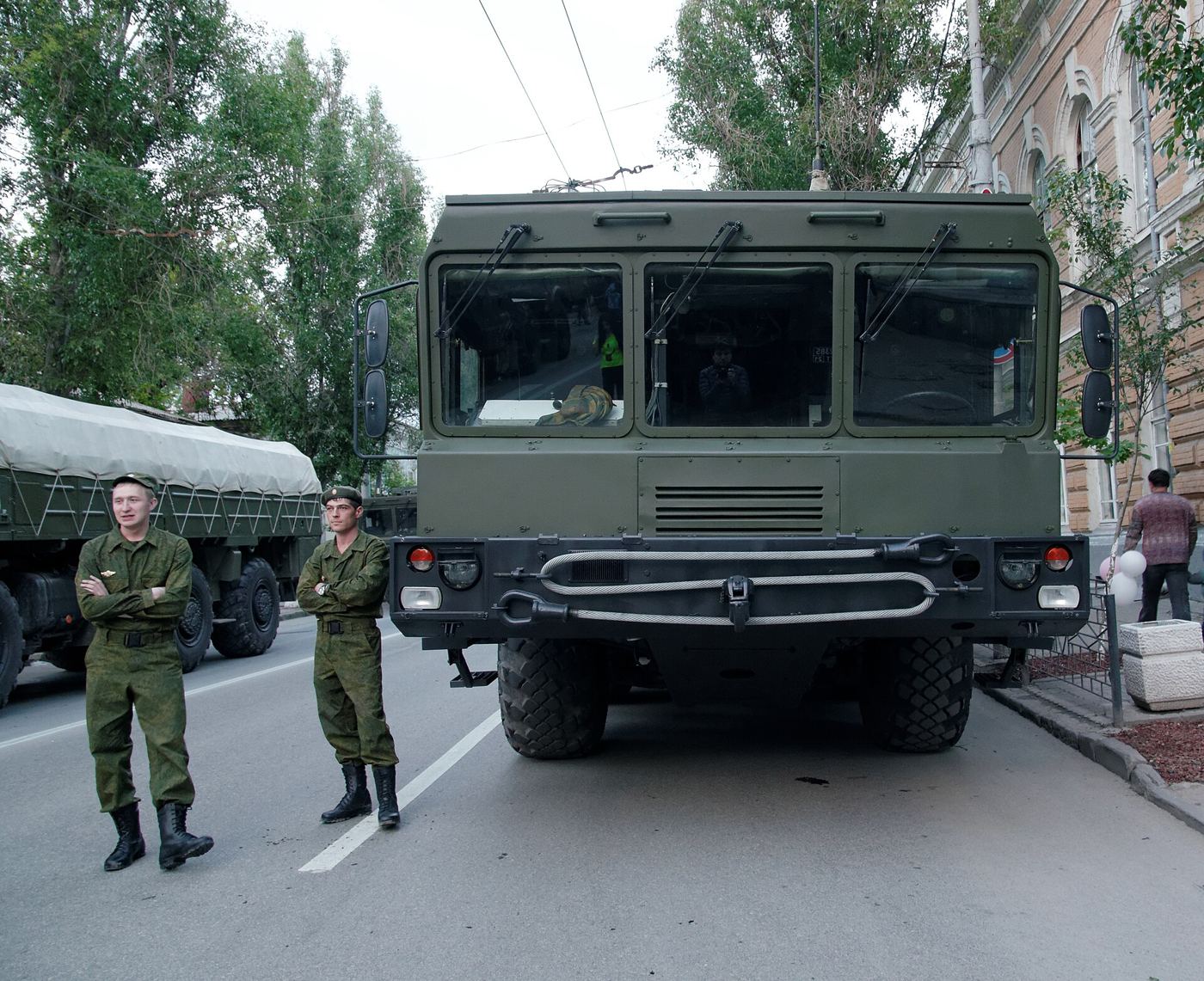
Iran unveiled a new dual-missile launcher in November 2026 capable of firing two liquid-fuelled missiles, a weapon its military presented as a fresh addition to the country’s arsenal. The announcement came at a tense moment in the region, with Iran and the United States trading blows since a conflict that began in February 2026 and drew in Israel and the Gulf states. Iran has repeatedly showcased new weapons in recent months, using the displays to signal that its missile programme continues despite American and Israeli strikes on its facilities. The launcher, designed to fire two missiles in quick succession, was presented as evidence that Iran’s engineers are still producing new systems.
What the Evidence Shows
The unveiling fits a pattern in which Iran answers military pressure with public displays of its arsenal, aiming the message at audiences at home and abroad. At home, the displays are meant to reassure a public living through airstrikes, economic hardship and the fear of wider war. Abroad, they are meant to warn adversaries that Iran retains the ability to strike back, even after its air defences and missile bases have been hit. The United States has struck targets inside Iran twice in November, while Iran says its latest attacks destroyed American radar systems in Bahrain, a claim Washington has not confirmed. With Qatar and Oman trying to broker a ceasefire, each new weapon display makes the diplomacy harder. Reporting and analysis from sources such as Associated Press track the same developments, and specialists following Iran’s new dual-missile launcher say the direction is now consistent across independent lines of evidence.
The Wider Context
Regional and local reporting on Iran’s new dual-missile launcher often tells a different story from national coverage, because the effects land unevenly: one town’s pilot is another’s distant proposal. Analysts who follow the subject full-time read the local data first, arguing that national averages conceal the variation that decides whether a policy or a project deserves to spread.
What Happens Next
The longer story of Iran’s new dual-missile launcher is still being written by the people closest to it, whose experience rarely matches the earliest predictions of either supporters or critics. Reporting will continue to follow the evidence as it accumulates, including where it complicates today’s account. That is the deal serious coverage makes with its readers, and it holds for this subject as for any other. You can follow related developments in our coverage of news.
It is also worth remembering how quickly the picture in this area has changed before. Positions that looked settled a few years ago have been revised as new data arrived, and the same humility is appropriate now. The strongest coverage of this subject, and the most useful advice, tends to come from sources that update their views openly when the facts move, rather than defending an earlier position long after it has stopped fitting the evidence available.