How Educational Technology is Transforming the Modern Classroom
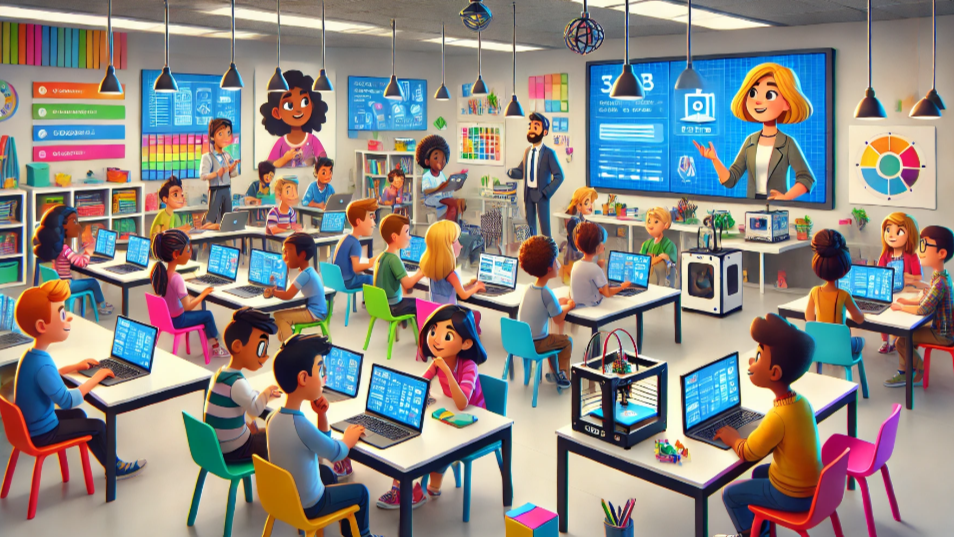
In today’s rapidly evolving educational landscape, tech has become an indispensable component of the modern classroom. From interactive whiteboards to artificial intelligence-powered learning platforms, technology is revolutionizing how students learn and how educators teach. The integration of digital tools has expanded learning possibilities beyond traditional boundaries, creating more engaging, personalized, and effective educational experiences. As schools continue to adapt to the demands of a technology-driven world, understanding the impact of these tools becomes crucial for all education stakeholders.
The Digital Transformation of Education
The educational sector has undergone a remarkable transformation in recent years. Traditional classrooms with chalkboards and static textbooks have evolved into dynamic learning environments equipped with tablets, laptops, and interactive learning software. This shift represents more than just updating equipment—it signifies a fundamental change in pedagogical approaches and learning methodologies.
Digital transformation in education encompasses several key developments:
- Accessibility: Technology breaks down geographical barriers, allowing students from remote areas to access quality educational resources that were previously unavailable.
- Personalization: Adaptive learning platforms can tailor content to individual student needs, adjusting difficulty levels and learning paths based on performance data.
Teachers are at the forefront of implementing these technological innovations in classrooms. Their role has evolved from being primarily knowledge providers to becoming facilitators of learning in technology-rich environments. Successful educators now combine their pedagogical expertise with technological proficiency to create meaningful learning experiences. Professional development opportunities have expanded to help teachers master new digital tools and integrate them effectively into their teaching practices.
Key Educational Technologies Making an Impact
Several technologies have proven particularly transformative in educational settings:
Learning Management Systems (LMS)
Learning Management Systems have become the digital backbone of many educational institutions. These platforms provide a centralized hub for course materials, assignments, assessments, and communication tools. Popular LMS platforms like Canvas, Blackboard, and Google Classroom allow educators to organize content methodically while providing students with 24/7 access to learning materials.
The benefits of LMS platforms include:
- Streamlined assignment submission and grading
- Enhanced communication between educators and students
- Simplified tracking of student progress and performance
- Convenient storage and organization of digital resources
Artificial Intelligence in Education
AI-powered educational tools are revolutionizing personalized learning. These technologies can analyze student performance data to identify strengths and weaknesses, then adapt content accordingly. AI tutoring systems can provide immediate feedback and additional practice in areas where students struggle, offering a level of personalization that would be impossible for a single teacher managing a full classroom.
Examples of AI applications in education include:
- Intelligent tutoring systems that adjust to individual learning needs
- Automated grading systems for objective assessments
- Content recommendation engines that suggest relevant learning materials
- Early warning systems that identify students at risk of falling behind
Virtual and Augmented Reality
Virtual reality (VR) and augmented reality (AR) technologies are transforming how students experience complex concepts. These immersive technologies allow learners to:
- Take virtual field trips to historical sites, museums, or even outer space
- Explore human anatomy in three dimensions
- Conduct virtual science experiments that might be too dangerous or expensive in real life
- Experience historical events through immersive reconstructions
The experiential learning provided by VR and AR creates stronger neural connections, improving retention and understanding of abstract concepts.
Challenges and Considerations
Despite its transformative potential, educational technology implementation comes with significant challenges:
Digital Equity
The digital divide remains a pressing concern in educational technology adoption. Not all students have equal access to devices or reliable internet connections at home. This inequality can exacerbate existing educational disparities if not properly addressed through school and community initiatives.
Screen Time Concerns
As technology becomes more integrated into education, concerns about excessive screen time have grown. Balancing digital and non-digital learning experiences is essential for student wellbeing. Educators must thoughtfully consider when technology enhances learning and when traditional methods might be more appropriate.
Data Privacy and Security
The collection of student data through educational technology platforms raises important privacy considerations. Schools must ensure compliance with regulations like FERPA and COPPA while implementing robust security measures to protect sensitive information.
Professional Development Needs
Effective technology integration requires ongoing professional development for educators. Without proper training and support, even the most innovative educational technologies may go underutilized or be implemented ineffectively.
Best Practices for Educational Technology Integration
For technology to truly enhance education, its implementation must be strategic and thoughtful:
Focus on Pedagogical Goals
Technology should serve educational objectives rather than being implemented for its own sake. Educators should begin with clear learning goals and then identify technologies that can help achieve those objectives.
Start Small and Scale Gradually
Successful technology integration often begins with small, manageable implementations that allow educators to build comfort and competence before expanding use. Pilot programs with enthusiastic early adopters can help identify best practices before schoolwide implementation.
Gather and Respond to Feedback
Regular feedback from both students and teachers is essential for refining technology integration strategies. This feedback loop helps identify what’s working well and where adjustments are needed.
Provide Ongoing Support
Technical and pedagogical support should be readily available to help educators overcome obstacles and continue developing their technology integration skills.
Future Trends in Educational Technology
Looking ahead, several emerging trends are likely to shape the future of educational technology:
Microlearning
Breaking content into small, focused segments that can be completed in minutes rather than hours is gaining popularity. This approach aligns with research on attention spans and retention while accommodating busy schedules.
Gamification
Incorporating game elements like points, badges, leaderboards, and narratives into learning experiences continues to show promise for increasing student engagement and motivation.
Blockchain for Credentialing
Blockchain technology offers potential for secure, verifiable digital credentials that could transform how educational achievements are documented and shared.
Internet of Things (IoT) in Education
Connected devices and sensors have potential applications in educational settings, from automatically taking attendance to monitoring classroom environmental conditions for optimal learning.
Conclusion
Educational technology continues to evolve rapidly, offering unprecedented opportunities to enhance teaching and learning. When implemented thoughtfully, with proper attention to equity, privacy, and pedagogical goals, these tools can help prepare students for success in an increasingly digital world. The most effective approaches combine technological innovation with sound educational principles, leveraging the strengths of both to create powerful learning experiences. As we move forward, continuous evaluation and adaptation will be essential to ensure that technology serves as a means to better education rather than an end in itself. The thoughtful integration of technology into educational practices represents one of the most significant opportunities to transform learning for current and future generations of students.

