Pony.ai and Toyota Put Driverless Taxis on the Road in Guangzhou
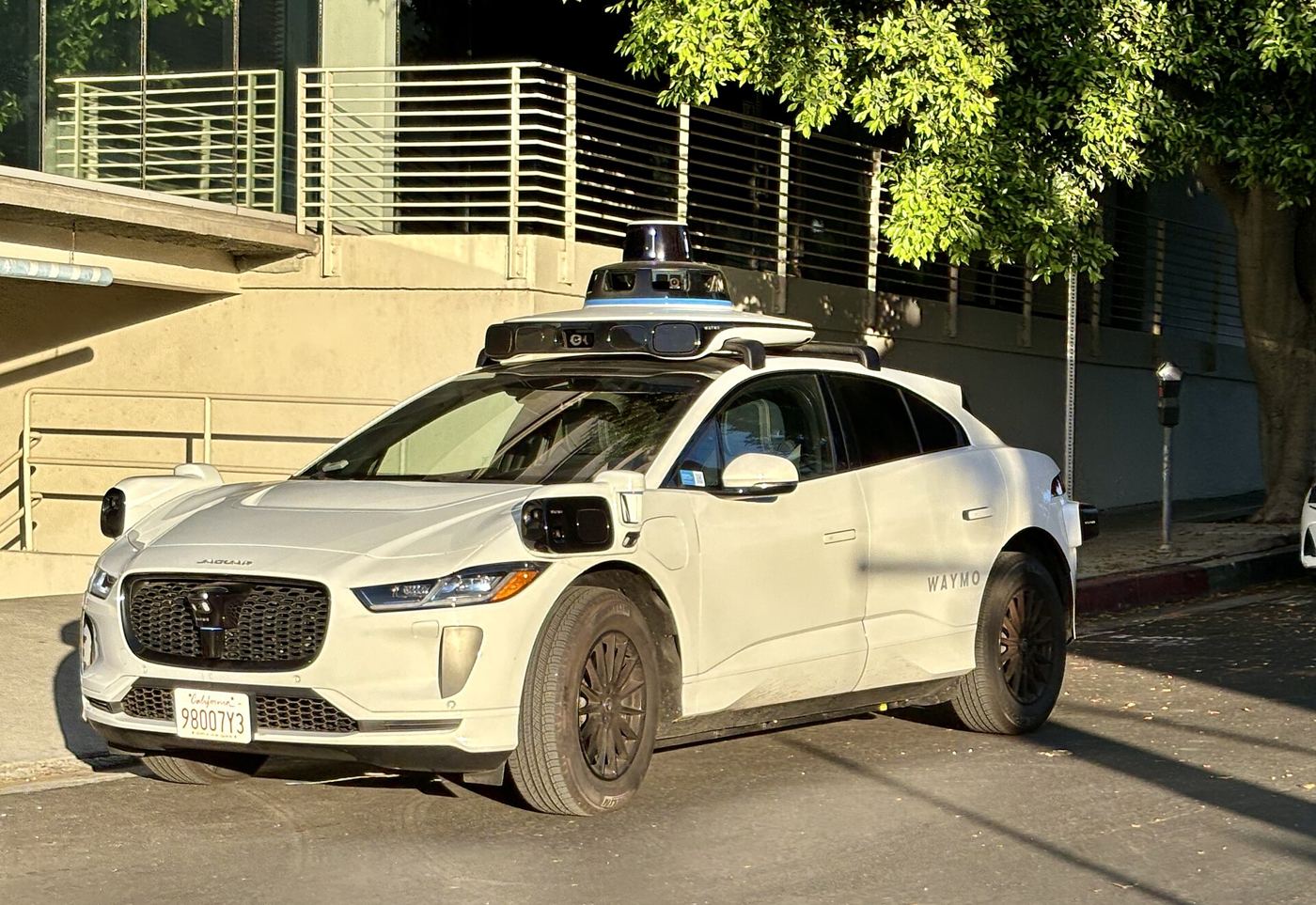
Driverless taxis built by Pony.ai and Toyota have entered fully driverless commercial service in Guangzhou, China, the companies announced on 16 November 2026. The vehicles, based on Toyota’s bZ4X electric SUV and fitted with Pony.ai’s seventh-generation self-driving system, are now carrying paying passengers with no safety driver on board. The partners say they are working toward deploying around 1,000 of the vehicles across major Chinese cities. The service builds on a joint venture the companies set up in 2023 with investment of more than one billion yuan. The first production bZ4X robotaxi was announced in February, but the November announcement marks the start of commercial operation.
What the Evidence Shows
The launch matters because China has become the world’s most active market for robotaxis, with several companies running driverless services in major cities. A partnership between a Chinese self-driving specialist and the world’s largest carmaker shows how the industry is consolidating around large fleets rather than small pilots. Toyota gains a route into the driverless market without building the technology alone, while Pony.ai gains manufacturing scale. The service will be watched for its safety record, since public trust is the biggest barrier to driverless cars. If the Guangzhou rollout goes smoothly, the partners say other Chinese cities will follow, though they have not yet named which city comes next. Reporting and analysis from sources such as MIT Technology Review track the same developments, and specialists following the Pony.ai Toyota driverless bZ4X service say the direction is now consistent across independent lines of evidence.
The Wider Context
The wider context is an industry learning to ship capability and restraint together. Products built around the Pony.ai Toyota driverless bZ4X service now launch with safety evaluations, usage data and rollback plans as standard, because enterprise buyers and regulators ask for them in the first meeting. Companies that treated those questions as friction are discovering they have become the purchase criteria.
What Happens Next
What happens next for the Pony.ai Toyota driverless bZ4X service depends less on another breakthrough than on the unglamorous work of reliability, pricing and support. The buyers evaluating it now are not enthusiasts; they are operators with budgets and auditors, and their checklists will decide the timeline. On the evidence of the current pilots, the technology has earned the right to be judged by them. You can follow related developments in our coverage of technology.
There is a practical lesson in all of this for readers deciding what to do today. Start with the verified facts, be wary of anyone promising certainty, and prefer reversible steps while the evidence is still developing. Circumstances differ by country, income and personal situation, so general guidance should always be weighed against your own context before you act on it in any significant or lasting way.