Poland’s Knife-Edge Election: Karol Nawrocki Wins the Presidency by 1.8 Points
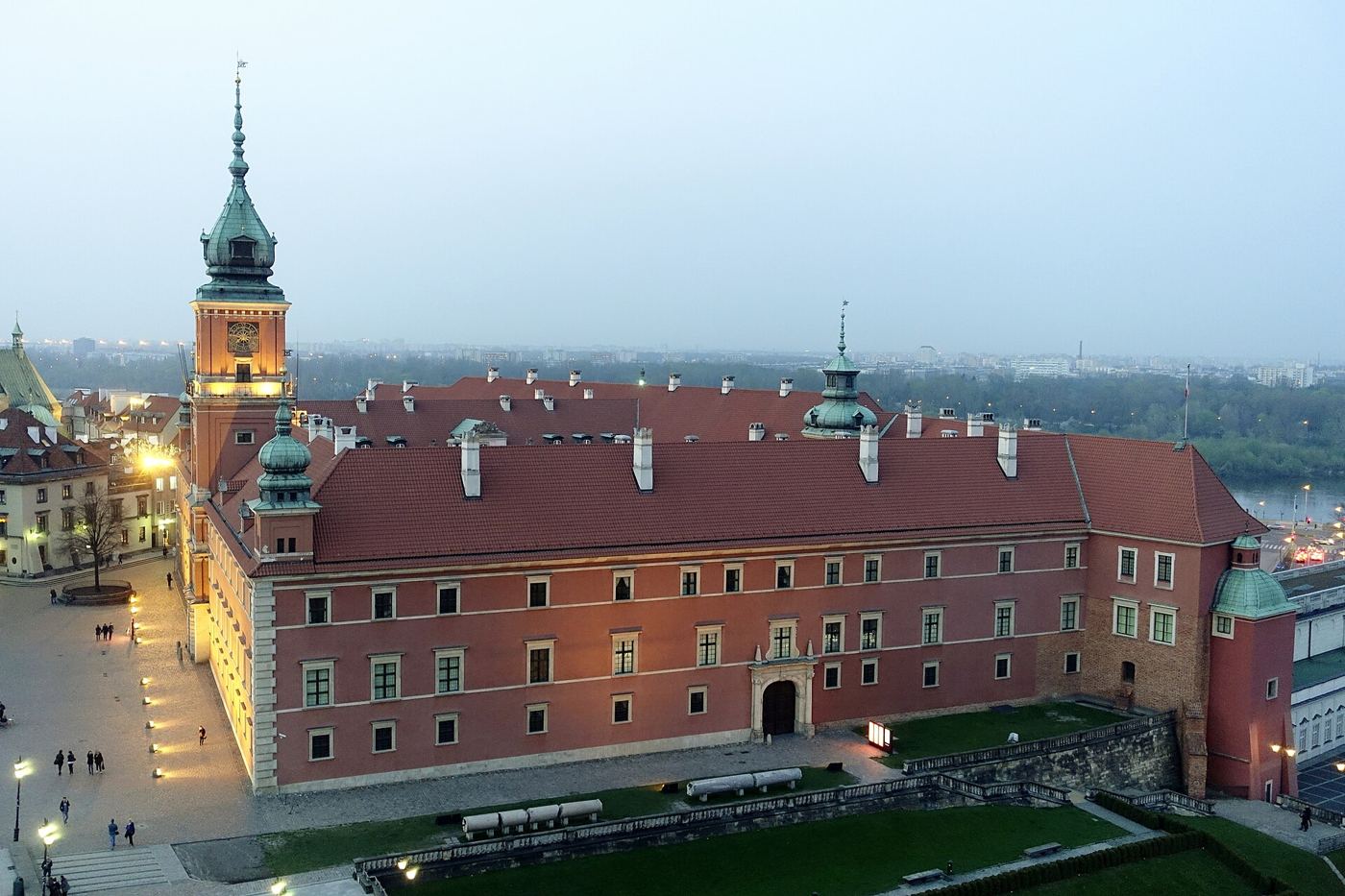
Poland chose Karol Nawrocki as its president on 1 June 2025, in one of the closest elections in the country’s history. Nawrocki, a conservative historian backed by the opposition Law and Justice party, won 50.9 per cent of the vote in the run-off, narrowly defeating the liberal mayor of Warsaw, Rafal Trzaskowski, who took 49.1 per cent. Nawrocki, who previously led the Institute of National Remembrance, the body that investigates crimes committed under Nazi and Communist rule, was a political newcomer with no previous elected office. He was sworn in on 6 August 2025, succeeding Andrzej Duda. The result was a setback for Prime Minister Donald Tusk’s government, which had hoped a Trzaskowski victory would end the deadlock with a presidency held by the opposition.
What the Evidence Shows
The Polish presidency carries a powerful veto, which requires a three-fifths majority in parliament to override, and Nawrocki has used it freely against the Tusk government’s legislation. The cohabitation between a liberal government and a conservative president has slowed reforms to the judiciary and the media, which Tusk had promised after defeating Law and Justice in the 2023 parliamentary election. Nawrocki has also pressed his own agenda, including a tougher line on immigration and support for the United States alliance, and he has been a vocal supporter of Ukraine while opposing its membership of NATO. The narrow margin — about 370,000 votes out of more than 20 million cast — underlines how evenly divided Poland remains, and the standoff between president and prime minister is likely to shape Polish politics until the next parliamentary election in 2027. Reporting and analysis from sources such as Associated Press track the same developments, and specialists following Karol Nawrocki’s election as president of Poland say the direction is now consistent across independent lines of evidence.
The Wider Context
Regional and local reporting on Karol Nawrocki’s election as president of Poland often tells a different story from national coverage, because the effects land unevenly: one town’s pilot is another’s distant proposal. Analysts who follow the subject full-time read the local data first, arguing that national averages conceal the variation that decides whether a policy or a project deserves to spread.
What Happens Next
The longer story of Karol Nawrocki’s election as president of Poland is still being written by the people closest to it, whose experience rarely matches the earliest predictions of either supporters or critics. Reporting will continue to follow the evidence as it accumulates, including where it complicates today’s account. That is the deal serious coverage makes with its readers, and it holds for this subject as for any other. You can follow related developments in our coverage of news.
It is also worth remembering how quickly the picture in this area has changed before. Positions that looked settled a few years ago have been revised as new data arrived, and the same humility is appropriate now. The strongest coverage of this subject, and the most useful advice, tends to come from sources that update their views openly when the facts move, rather than defending an earlier position long after it has stopped fitting the evidence available.