AI Weather Forecasts Now Beat the Best Physics Models
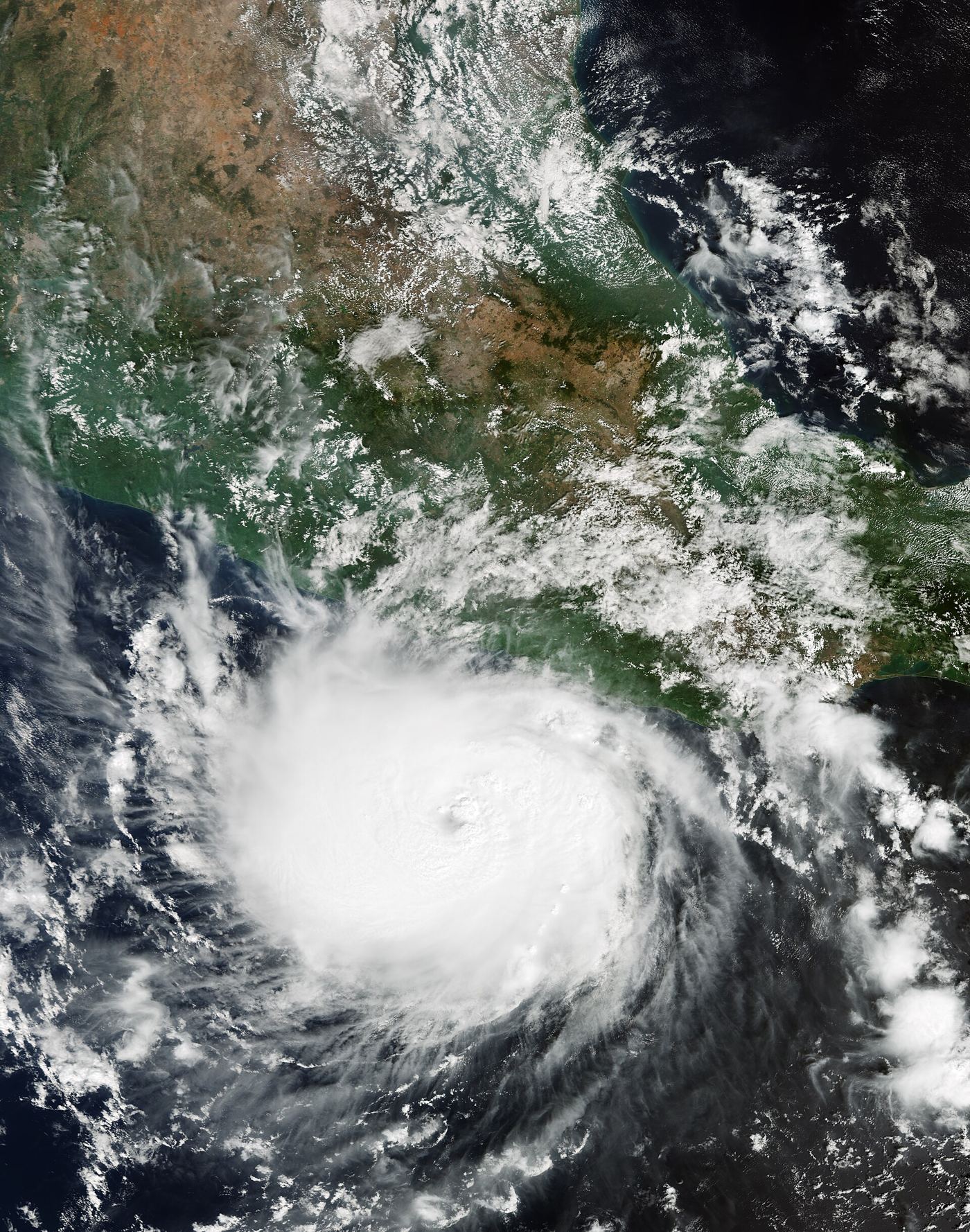
Weather forecasting has a new champion, and it does not solve a single physics equation. Google DeepMind’s GenCast, described in Nature in December 2024, is an AI model that learned from four decades of weather records and now predicts global weather more accurately than the ensemble system run by the European Centre for Medium-Range Weather Forecasts, long regarded as the world leader. In the authors’ evaluation, GenCast had greater skill than the European system on 97.2 percent of the 1,320 targets measured, and it was particularly strong at predicting extreme weather and tropical cyclone tracks. A full 15-day forecast takes about eight minutes on a single machine-learning chip, against hours on a supercomputer for a traditional model. The paper, published in Nature, marked the moment AI forecasting stopped being a laboratory curiosity and became a serious operational tool.
What the Evidence Shows
GenCast works differently from its predecessor GraphCast, which produced a single best guess. It is a diffusion model that generates fifty or more possible versions of the coming weather, giving forecasters a probability for each outcome rather than one confident answer. That matters for decisions such as whether to evacuate a coastline or open flood defences, where knowing the odds is more useful than a single prediction. The technology is now moving into everyday use: the European centre’s own AI system went operational in February 2025, NOAA runs AI models alongside its physics systems, and Google’s newer WeatherNext models power weather in Search, Gemini and Maps. Forecasters stress that AI still leans on physics-based systems for the snapshot of today’s atmosphere, so the two approaches are partners rather than rivals. Reporting and analysis from sources such as MIT Technology Review track the same developments, and specialists following AI weather forecasting GenCast say the direction is now consistent across independent lines of evidence.
The Wider Context
The wider context is an industry learning to ship capability and restraint together. Products built around AI weather forecasting GenCast now launch with safety evaluations, usage data and rollback plans as standard, because enterprise buyers and regulators ask for them in the first meeting. Companies that treated those questions as friction are discovering they have become the purchase criteria.
What Happens Next
What happens next for AI weather forecasting GenCast depends less on another breakthrough than on the unglamorous work of reliability, pricing and support. The buyers evaluating it now are not enthusiasts; they are operators with budgets and auditors, and their checklists will decide the timeline. On the evidence of the current pilots, the technology has earned the right to be judged by them. You can follow related developments in our coverage of technology.
There is a practical lesson in all of this for readers deciding what to do today. Start with the verified facts, be wary of anyone promising certainty, and prefer reversible steps while the evidence is still developing. Circumstances differ by country, income and personal situation, so general guidance should always be weighed against your own context before you act on it in any significant or lasting way.