AI Video Generators Are Rewriting How Films Get Made
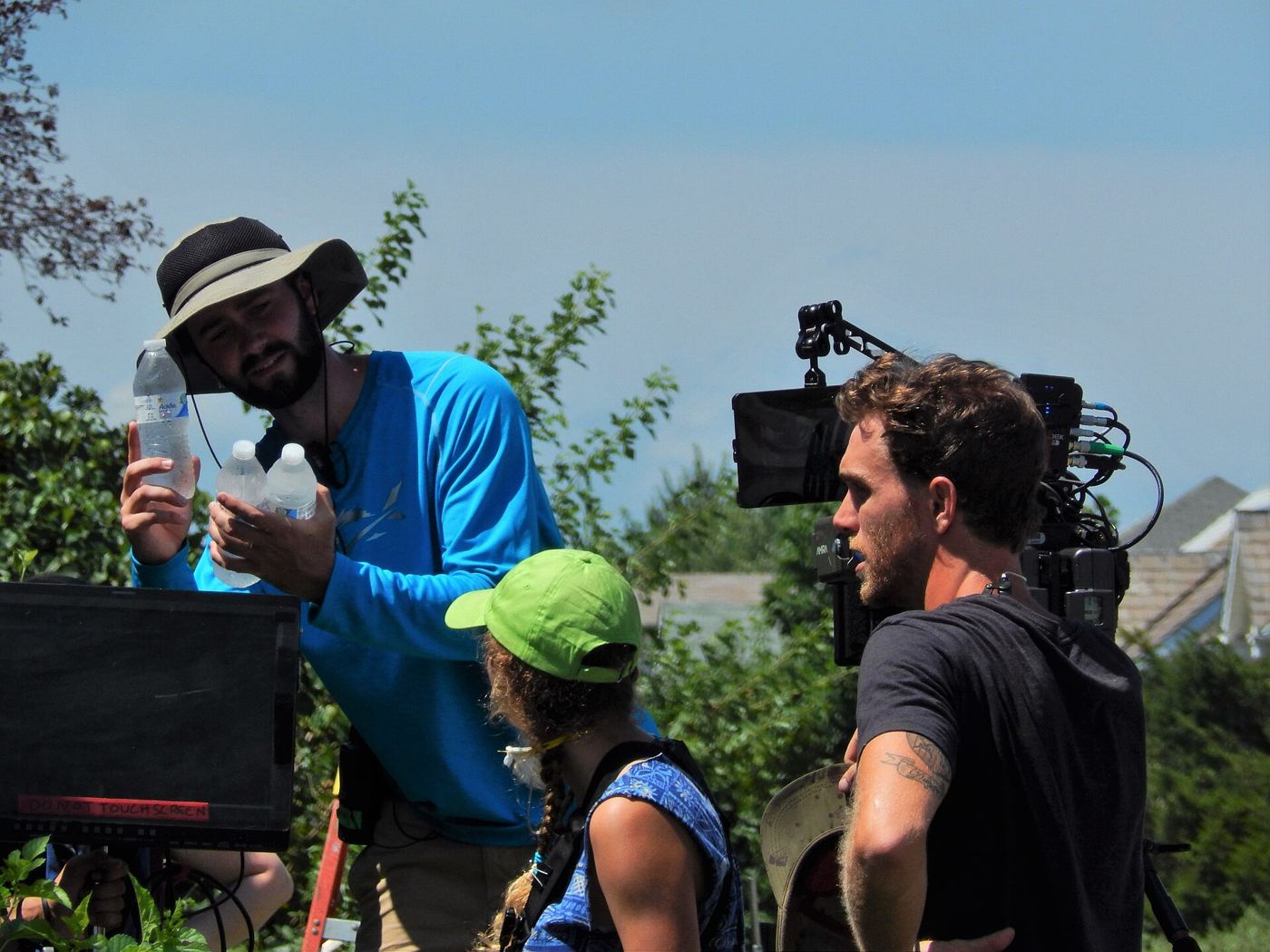
A year ago, AI-generated video was a curiosity that produced wobbly hands and melting faces. Today, tools such as OpenAI’s Sora and Google’s Veo can turn a written prompt into a polished-looking video clip, complete with camera movement, lighting and consistent characters across scenes. Filmmakers and advertisers are already using them to test ideas, create storyboards and produce shots that would once have required a full crew, a location and a large budget. A director can now ask for a rainy street in 1950s Tokyo at dusk, watch the result in minutes, and change the weather, the angle or the mood with a few words. For small studios and independent creators, the tools lower the cost of visual effects and animation so far that ideas which were once unaffordable are now within reach. The models are trained on vast libraries of video, learning how objects move, how light falls and how scenes are composed, so that a few words of description can produce footage that looks convincingly real.
What the Evidence Shows
The technology also raises hard questions that the film industry is still working through. Actors and writers worry about their work being used to train models without permission or payment, and unions have pushed for rules on AI-generated performances. The risk of realistic fake videos is real, and the leading tools now embed invisible watermarks and metadata so that generated footage can be identified. Quality is still uneven: long scenes, complex action and subtle human interaction can break down, and professional productions still rely on human crews for most of the work. But the direction is clear, and studios are building new workflows that mix AI generation with traditional craft. The camera is no longer the only way to capture a moving image, and the film set of the future may begin with a sentence. Advertising agencies are among the earliest adopters, using the tools to produce product shots and test campaigns in hours rather than weeks, while schools and charities use them to make training videos on small budgets. Reporting and analysis from sources such as MIT Technology Review track the same developments, and specialists following AI video generation tools say the direction is now consistent across independent lines of evidence.
The Wider Context
The wider context is an industry learning to ship capability and restraint together. Products built around AI video generation tools now launch with safety evaluations, usage data and rollback plans as standard, because enterprise buyers and regulators ask for them in the first meeting. Companies that treated those questions as friction are discovering they have become the purchase criteria.
What Happens Next
What happens next for AI video generation tools depends less on another breakthrough than on the unglamorous work of reliability, pricing and support. The buyers evaluating it now are not enthusiasts; they are operators with budgets and auditors, and their checklists will decide the timeline. On the evidence of the current pilots, the technology has earned the right to be judged by them. You can follow related developments in our coverage of technology.
There is a practical lesson in all of this for readers deciding what to do today. Start with the verified facts, be wary of anyone promising certainty, and prefer reversible steps while the evidence is still developing. Circumstances differ by country, income and personal situation, so general guidance should always be weighed against your own context before you act on it in any significant or lasting way.


