Councils Rethink Bin Collections as Recycling Rules Change
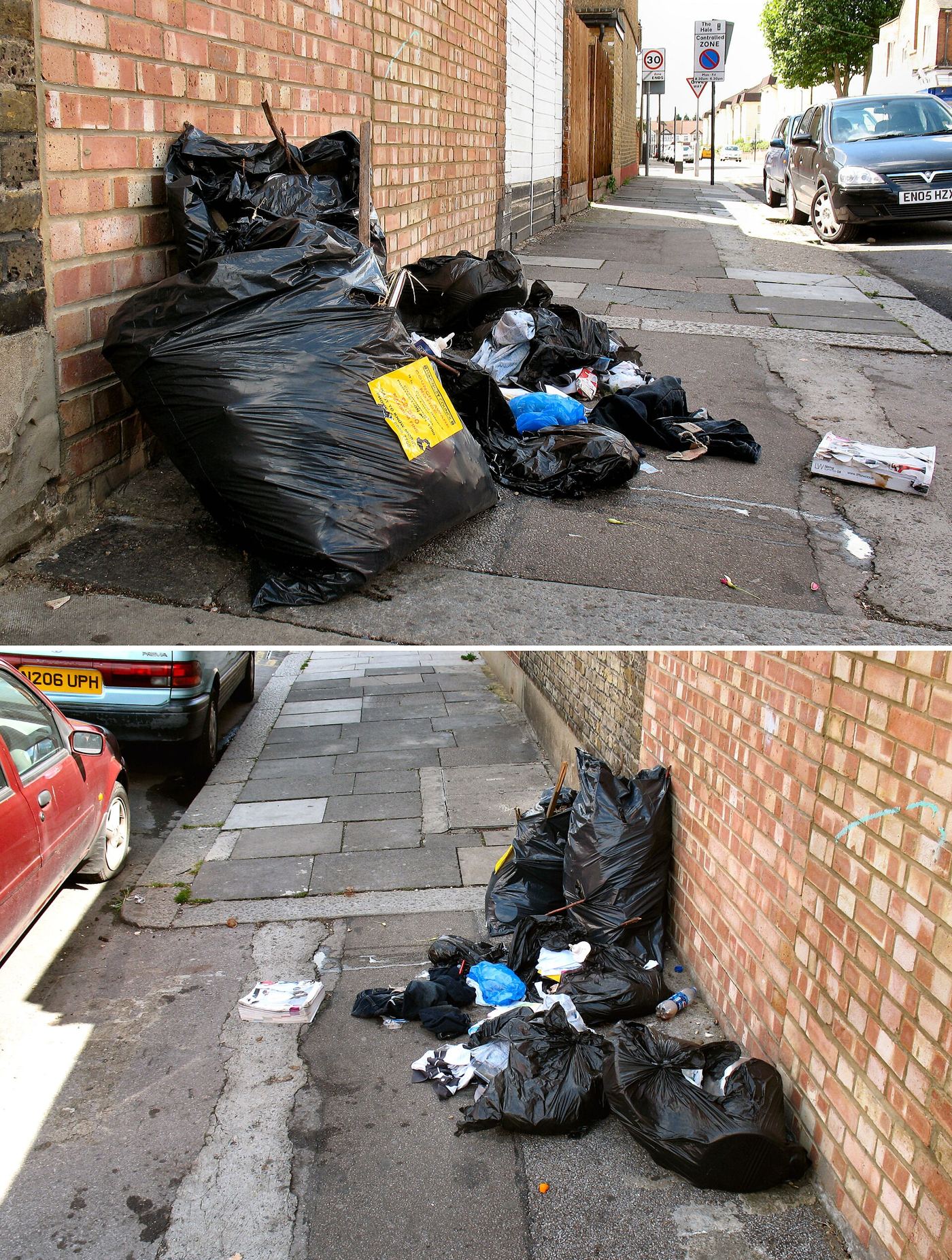
Councils are redrawing their bin collection rounds as new recycling rules ask households to sort more of their waste, from food scraps to soft plastics and garden cuttings. The changes mean new bins for many homes, different collection days and a learning curve for residents who must remember which item goes where. Officials say the aim is to recycle more and send less to landfill, and that the new system will eventually make collections simpler and more consistent across neighbouring areas. Residents have questions, from how often the general waste bin will be emptied to whether food waste collections will smell in summer. Councils say they are sending leaflets, running helplines and visiting community groups to explain the new system before it starts, though they admit that some confusion is inevitable in the first weeks. Officials say the aim is to make recycling a routine part of the week, not a puzzle that residents must solve each time.
What the Evidence Shows
Waste experts say the new rules reflect a wider shift in how rubbish is viewed, from something to be buried to a resource that can be recovered and reused. Food waste, for example, can be turned into compost or gas, while sorted plastics and metals are far easier to recycle than a mixed bag. They warn, however, that the system only works if households sort correctly, since a single wrong item can spoil a whole load. Councils are therefore investing in clear labelling, simple guides and feedback to residents when a bin is collected incorrectly. Some are also charging for garden waste collections, a move that has proved unpopular but which officials say keeps the service running. For residents, the change is a small weekly habit with a larger purpose: less waste buried, and more of it put back to use. Reporting and analysis from sources such as Associated Press track the same developments, and specialists following the changing bin collection rules say the direction is now consistent across independent lines of evidence.
The Wider Context
Regional and local reporting on the changing bin collection rules often tells a different story from national coverage, because the effects land unevenly: one town’s pilot is another’s distant proposal. Analysts who follow the subject full-time read the local data first, arguing that national averages conceal the variation that decides whether a policy or a project deserves to spread.
What Happens Next
The longer story of the changing bin collection rules is still being written by the people closest to it, whose experience rarely matches the earliest predictions of either supporters or critics. Reporting will continue to follow the evidence as it accumulates, including where it complicates today’s account. That is the deal serious coverage makes with its readers, and it holds for this subject as for any other. You can follow related developments in our coverage of news.
It is also worth remembering how quickly the picture in this area has changed before. Positions that looked settled a few years ago have been revised as new data arrived, and the same humility is appropriate now. The strongest coverage of this subject, and the most useful advice, tends to come from sources that update their views openly when the facts move, rather than defending an earlier position long after it has stopped fitting the evidence available.