Busy Shopping Streets Report Rising Footfall as Seasonal Markets Return
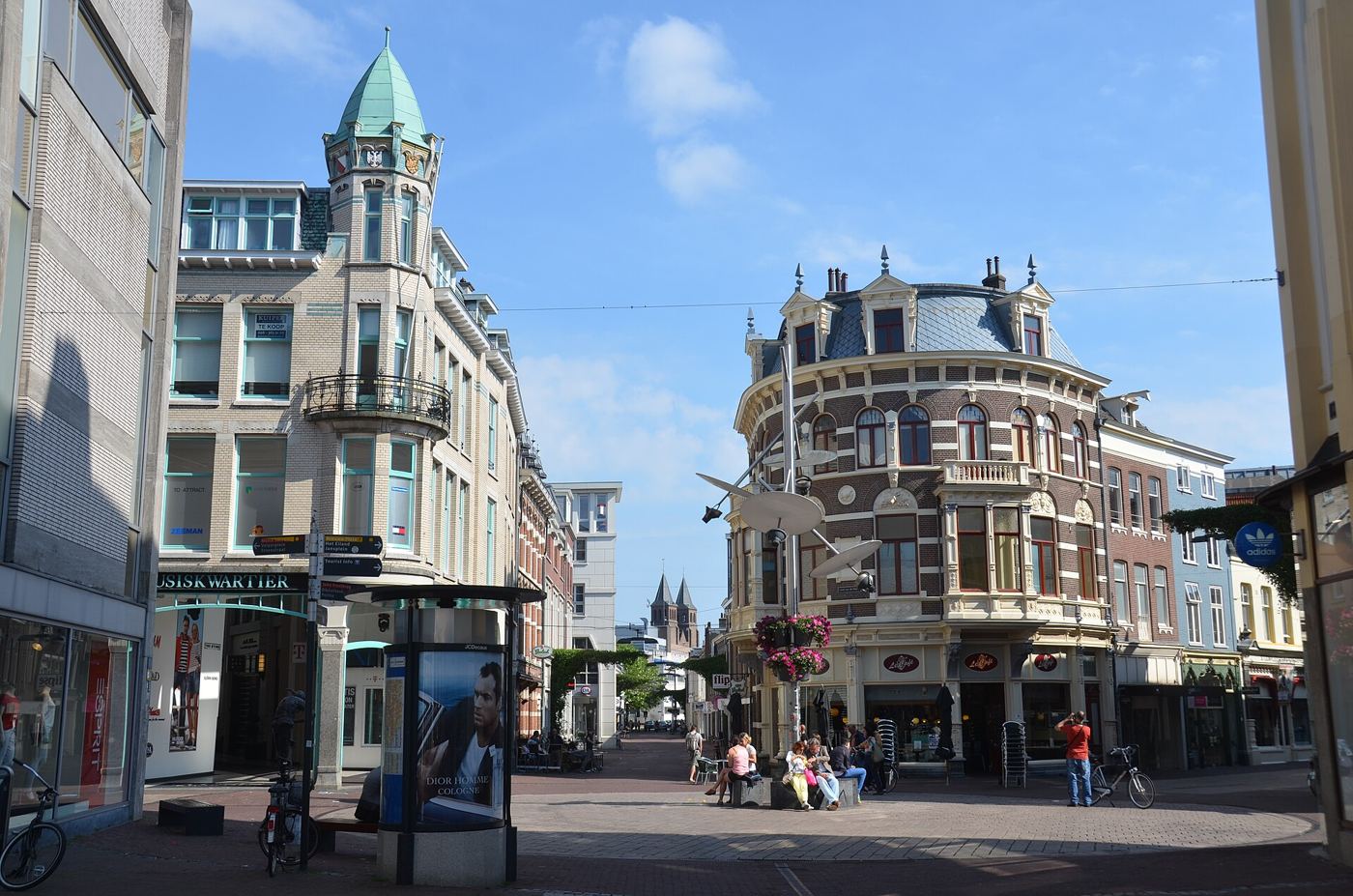
Traders on busy shopping streets are reporting rising footfall as seasonal markets return, bringing additional visitors who combine browsing stalls with visits to established shops, cafes, and services nearby. Business associations said the markets work best when they complement rather than compete with permanent retailers, offering local produce, crafts, and street food that give people an extra reason to make the trip into town. Shopkeepers along the main streets described steadier trade throughout the day rather than a single peak, which they attributed to visitors lingering longer when there is more to see and do. Councils have supported the programme with coordinated road closures, clear signage from car parks and stations, and cleaning teams working during and after market days to keep streets presentable. For independent retailers still managing higher costs, the additional visitors are welcome, though owners stressed that footfall must translate into sales across many types of business, not only hospitality. Market organisers said stallholder places had been allocated with an emphasis on local makers and producers, keeping the character of the events distinct from generic retail offers available anywhere.
What the Evidence Shows
Visitor surveys conducted during the first market weekends suggested that many people travelled specifically for the event and then visited shops they had not previously noticed, a pattern traders hope will produce repeat visits after the stalls have gone. Town centre managers are analysing spending and movement data to decide which street layouts, entertainment, and opening arrangements encouraged people to stay longest. Some retailers extended their hours on market days and reported that early evening trade was stronger than expected, supporting discussions about coordinated later opening on selected dates through the season. Not every concern has disappeared, with delivery drivers and disabled shoppers raising questions about access during closures that organisers say will be addressed through clearer diversion information and protected drop off points. The programme will run on a published calendar so businesses can plan stock and staffing, rather than facing surprise fluctuations in visitor numbers. A review at the end of the season will assess whether the markets should become a permanent feature of the town centre calendar. Reporting and analysis from sources such as Associated Press track the same developments, and specialists following the returning seasonal markets say the direction is now consistent across independent lines of evidence.
The Wider Context
Regional and local reporting on the returning seasonal markets often tells a different story from national coverage, because the effects land unevenly: one town’s pilot is another’s distant proposal. Analysts who follow the subject full-time read the local data first, arguing that national averages conceal the variation that decides whether a policy or a project deserves to spread.
What Happens Next
The longer story of the returning seasonal markets is still being written by the people closest to it, whose experience rarely matches the earliest predictions of either supporters or critics. Reporting will continue to follow the evidence as it accumulates, including where it complicates today’s account. That is the deal serious coverage makes with its readers, and it holds for this subject as for any other. You can follow related developments in our coverage of news.
It is also worth remembering how quickly the picture in this area has changed before. Positions that looked settled a few years ago have been revised as new data arrived, and the same humility is appropriate now. The strongest coverage of this subject, and the most useful advice, tends to come from sources that update their views openly when the facts move, rather than defending an earlier position long after it has stopped fitting the evidence available.