Orchard Blossom Depends on Honeybees Arriving at the Right Week
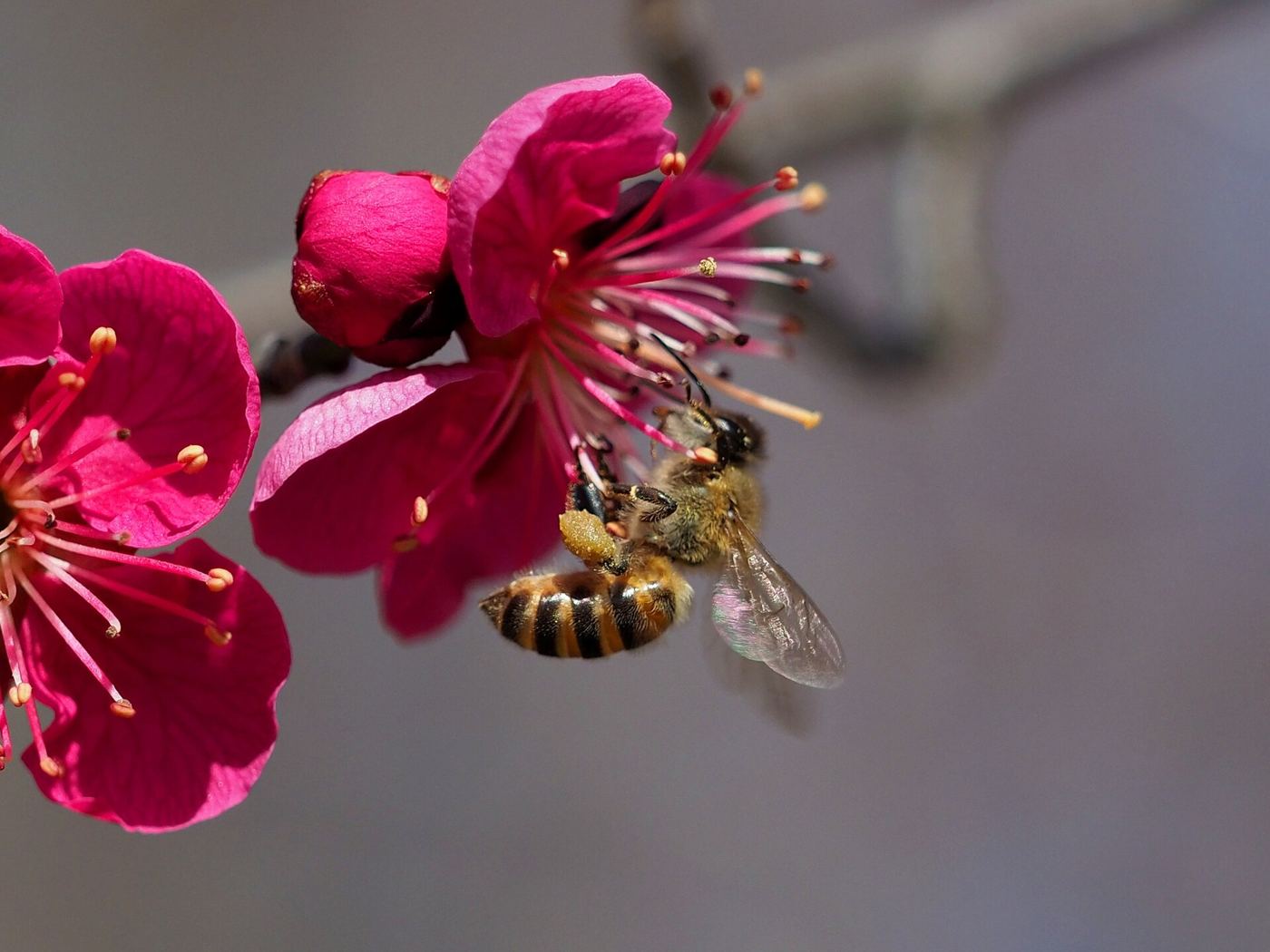
For fruit growers, spring blossom is beautiful and anxious in equal measure, because the crop is decided in a few short weeks when honeybees must move pollen from flower to flower. Apples, almonds, cherries and many other fruits set poorly without insect pollination, and managed honeybee colonies are brought into orchards precisely for this window. Timing is everything: hives placed too early find little forage, too late miss peak bloom, and cold or wet weather can keep bees inside while blossom falls unvisited. Growers and beekeepers therefore plan together months ahead, watching buds, forecasts and colony strength so that bees and blossom meet at exactly the right moment each spring. A poor pollination week cannot be corrected later in the season, which is why blossom time concentrates minds in fruit-growing districts like no other fortnight.
What the Evidence Shows
The partnership has become more deliberate as both sides professionalise. Beekeepers are paid for pollination services as well as honey, and contracts may specify colony strength, placement within the orchard and protection from pesticide spraying during bloom. Growers, in turn, are planting flowering strips that feed bees before and after the crop blossoms, and leaving unmown corners where wild pollinators can nest. Scientists note that wild bees often complement honeybees, visiting in cooler weather and working flowers differently. The healthiest orchards increasingly treat pollination as part of farm design rather than a hired input. When it works, the evidence arrives months later as bins of fruit at harvest. That shared interest is pushing beekeepers and growers into closer partnership, with some orchards now planned from the first planting around the pollinators they will need. Reporting and analysis from sources such as National Science Foundation track the same developments, and specialists following honeybee pollination of orchards say the direction is now consistent across independent lines of evidence.
The Wider Context
The wider context is a research landscape in which replication and open data now decide reputations. Findings connected to honeybee pollination of orchards are being checked by independent groups with shared datasets, and the teams involved publish their methods in full so rivals can test every step. That discipline is slower than a headline cycle, but it is why results in this area increasingly survive first contact with scrutiny.
What Happens Next
What happens next in the story of honeybee pollination of orchards will be decided by follow-up work already under way: larger samples, longer observation and instruments that have not yet come online. The researchers involved are unusually united on one point, that the current results justify the next investment of time and money. Readers will not have to wait long for the first tests of that claim. You can follow related developments in our coverage of science.
There is a practical lesson in all of this for readers deciding what to do today. Start with the verified facts, be wary of anyone promising certainty, and prefer reversible steps while the evidence is still developing. Circumstances differ by country, income and personal situation, so general guidance should always be weighed against your own context before you act on it in any significant or lasting way.