New Observatory Evenings Let Public Explore the Winter Night Sky
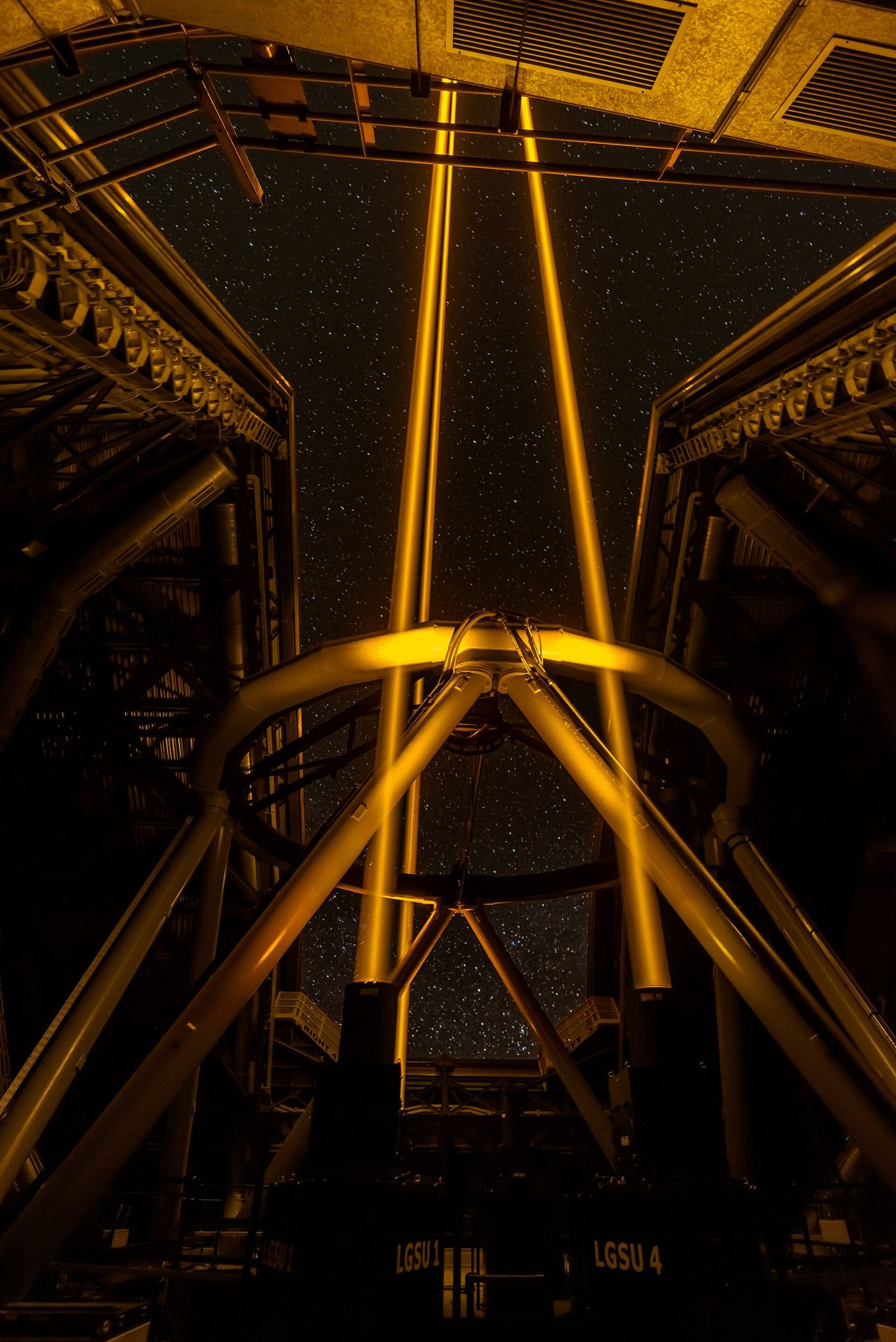
Astronomers are opening their observatory for a series of public evenings this winter, giving visitors a guided look at planets, star clusters, and the Moon through telescopes under dark skies. Staff say winter offers some of the clearest viewing of the year when clouds stay away, although warm clothing is essential for time spent outdoors between sessions. Talks inside the visitor centre will explain how telescopes collect light from distant objects and why protecting dark skies from unnecessary lighting helps both research and wildlife. Tickets are limited to keep groups small enough for everyone to spend meaningful time at each instrument.
What the Evidence Shows
During the evenings, volunteers will help visitors find constellations without any equipment first, building confidence before moving to detailed views through larger telescopes. For those interested in photography, a short session will cover basic techniques for capturing the night sky with ordinary cameras and tripods, along with realistic expectations about weather and light pollution. Organisers have built in a cloudy night alternative programme with planetarium style presentations and meteorite handling, so booked visits still offer value when viewing is impossible. Schools attending on separate dates will link the experience to classroom work on light, gravity, and the scale of the solar system. Reporting and analysis from sources such as NASA track the same developments, and specialists following public observatory night sky evenings say the direction is now consistent across independent lines of evidence.
The Wider Context
Funding bodies are watching public observatory night sky evenings closely because the work sits at the junction of basic curiosity and practical return. Grant panels increasingly ask for a path from discovery to application, while researchers push back that the most valuable uses of fundamental science are rarely the ones written into the original proposal. The tension is productive when both sides stay honest about timescales.
What Happens Next
The long view on public observatory night sky evenings is that fields advance by accumulation rather than by single announcements. This result adds a solid, checkable piece to a structure many teams are building, and its authors have shared their data so the piece can be tested from every side. That is how the picture eventually becomes reliable enough to act on. You can follow related developments in our coverage of science.
It is also worth remembering how quickly the picture in this area has changed before. Positions that looked settled a few years ago have been revised as new data arrived, and the same humility is appropriate now. The strongest coverage of this subject, and the most useful advice, tends to come from sources that update their views openly when the facts move, rather than defending an earlier position long after it has stopped fitting the evidence available.